Puzzles and Labyrinths

Maintained by James Grimmelmann

I enjoy intricate fiction: puzzle-box mysteries, layered farces, tightly plotted time loops, structural exercises that shouldn’t work but do, and Rashomon-ic stories told from multiple perspectives. It isn’t about the depth of the lore; I tend to avoid anything that could be described as a “cinematic universe.” And it isn’t about piling up complexity for complexity’s sake. Rather, I like well-told stories that couldn’t be told straightforwardly without losing something essential.

Time Travel

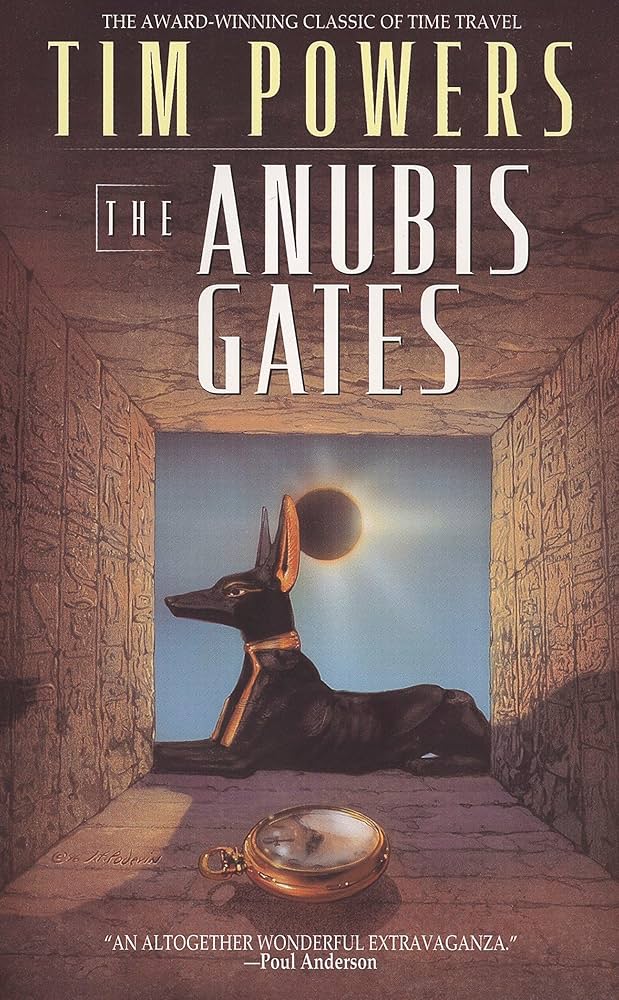
Tim Powers, The Anubis Gates

The Anubis Gates stands out among time-travel novels for having both an intricately worked-out chronology and a gripping plot, without sacrificing one to the other. Powers is particularly good at quickly getting his protagonists in deeply over their heads, and this book is no exception; being stranded in another time will do that to you. What follows is a rollicking thrill ride, but where other books might build to a big climactic showdown, this one does something much slyer and more fun.
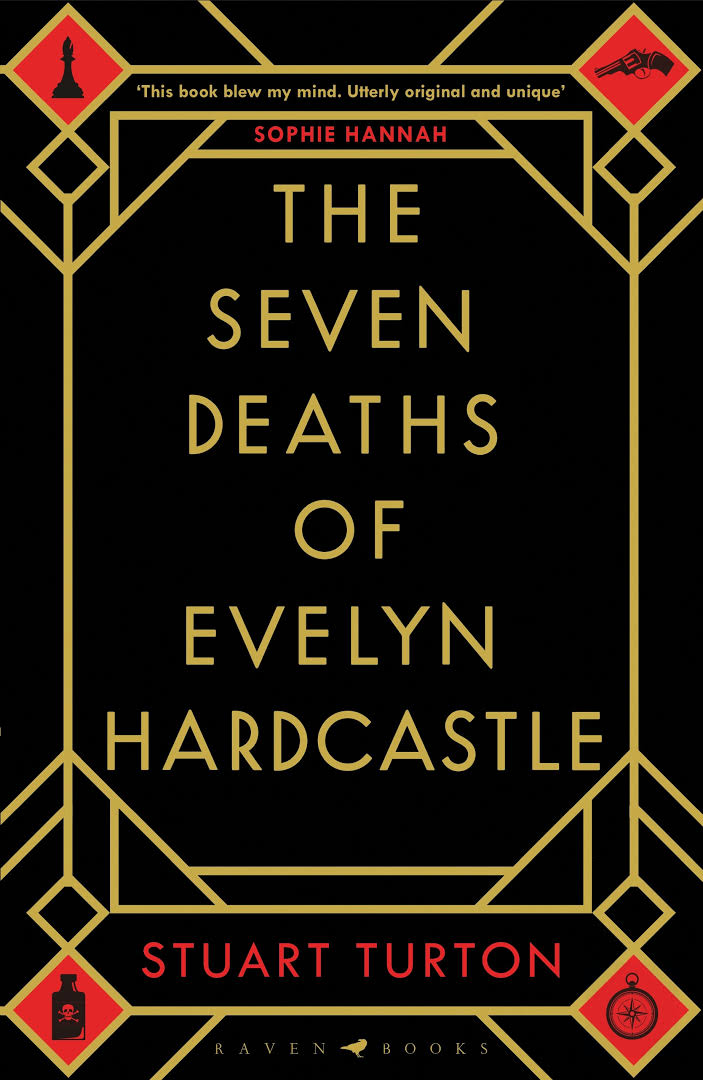
Stuart Turton, The Seven Deaths of Evelyn Hardcastle

An exceptionally clever time-loop thriller that puts two unique twists on the rules of the genre. No, I won’t spoil them: part of the fun is finding out mid-stream how things actually work. Equally fun is watching the protagonist gradually work out how to turn what seem like enormous difficulties to his advantage. So what if the framing story is a bit of a letdown? The journey is worth it.
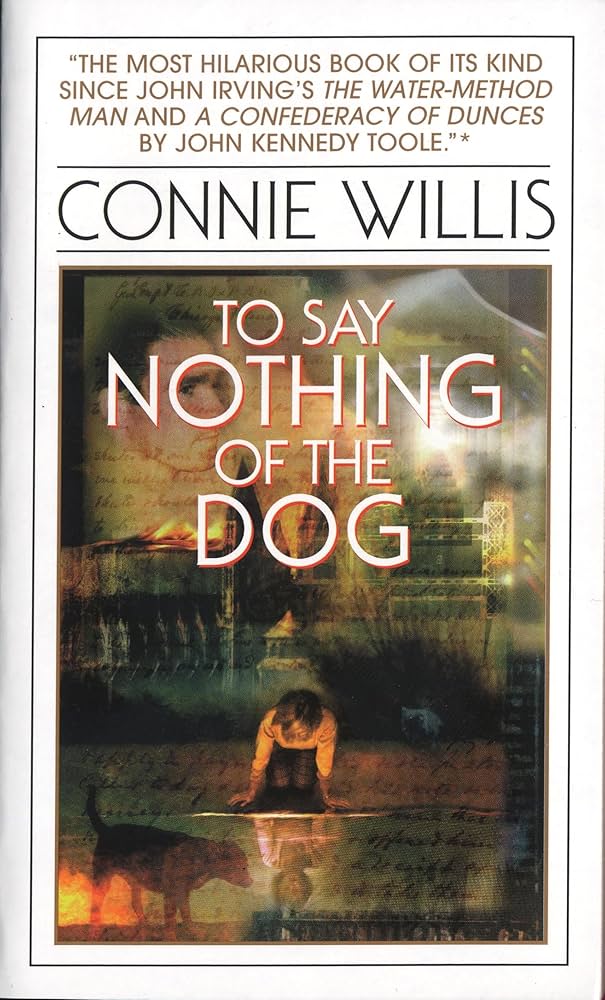
Connie Willis, To Say Nothing of the Dog

The key to a good farce is the piling up of complications, misunderstandings, and deceptions, as the characters increasingly find themselves find themselves needing to be in two places at once to keep up the social fictions they are committed to. To Say Nothing of the Dog asks, “What if farce, but time travel?” It’s such a perfect fit I’m surprised there aren’t more books in the genre, but then again maybe you have to be Connie Willis to pull it off.
Science Fiction and Fantasy

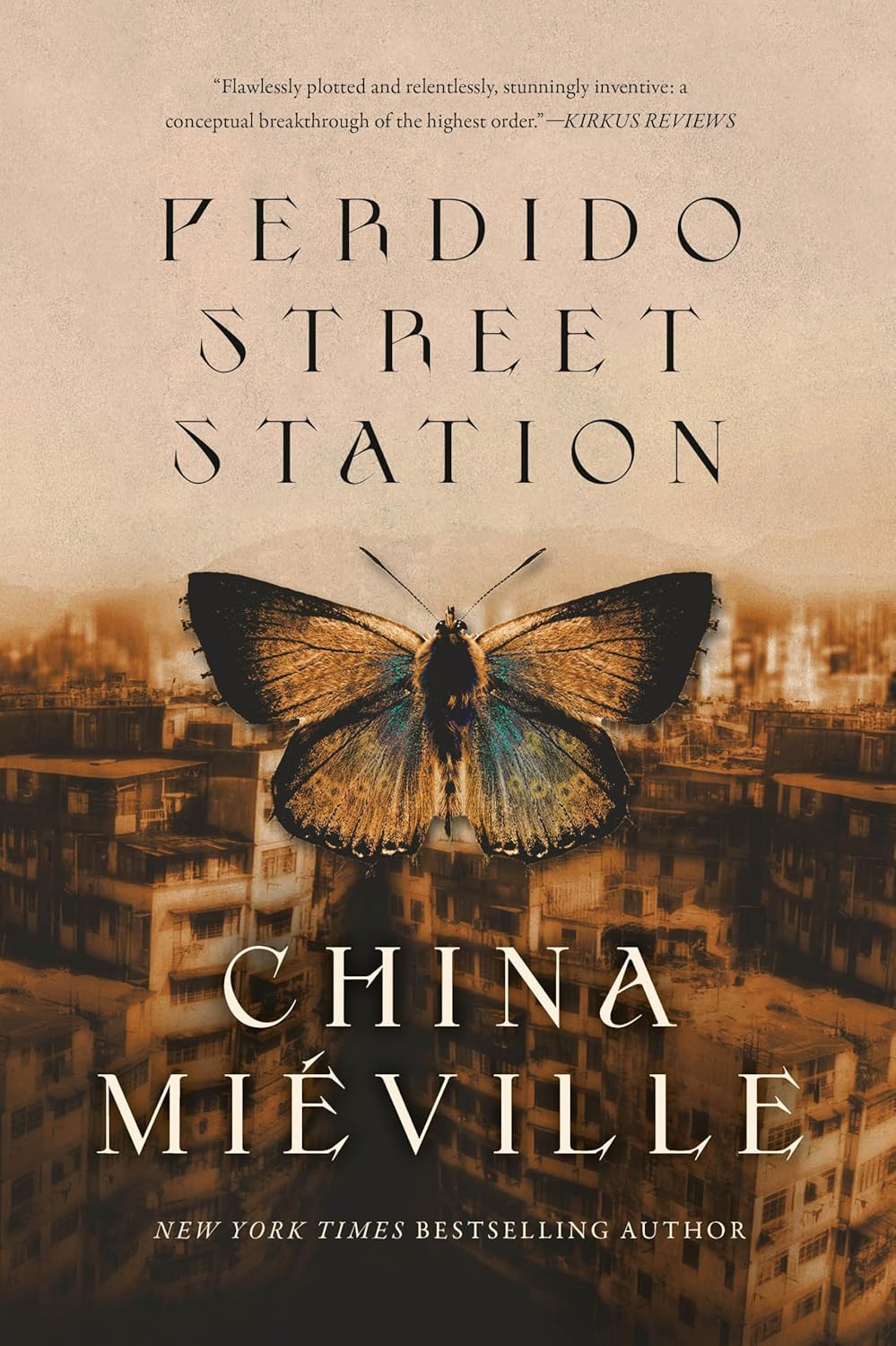
China Miéville, Perdido Street Station

Like the fictional city in which it is set, this book is teeming with species, cultures, and ideas. Conceits that could power entire novels are tossed aside in standalone chapters. Miéville allegedly has written other books, including two more set in the same world, but I refuse to read them. It is impossible that any author could have any cards left to play after writing this.

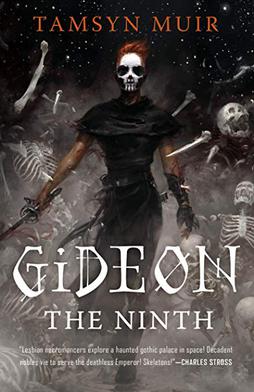
Tamsyn Muir, The Locked Tomb Series

These are the “lesbian space necromancers” novels in the same way that Moby Dick is about a boat trip: yes, but also no, they’re so much more. Come for the vivid characters, propulsive writing, and goth-Catholic vibes, but stay for the remarkable world-building that unfolds further and further with each book in the series. Muir has an amazing ability to provide plot-critical context only in elliptical asides. Read these the first time for the “what just happened?” roller-coaster ride, the second to make sense of the plot, and the third with a tab open to Reddit for the fan theories. (Warning: the fourth and allegedly final entry in the series doesn’t even have a release date yet.)

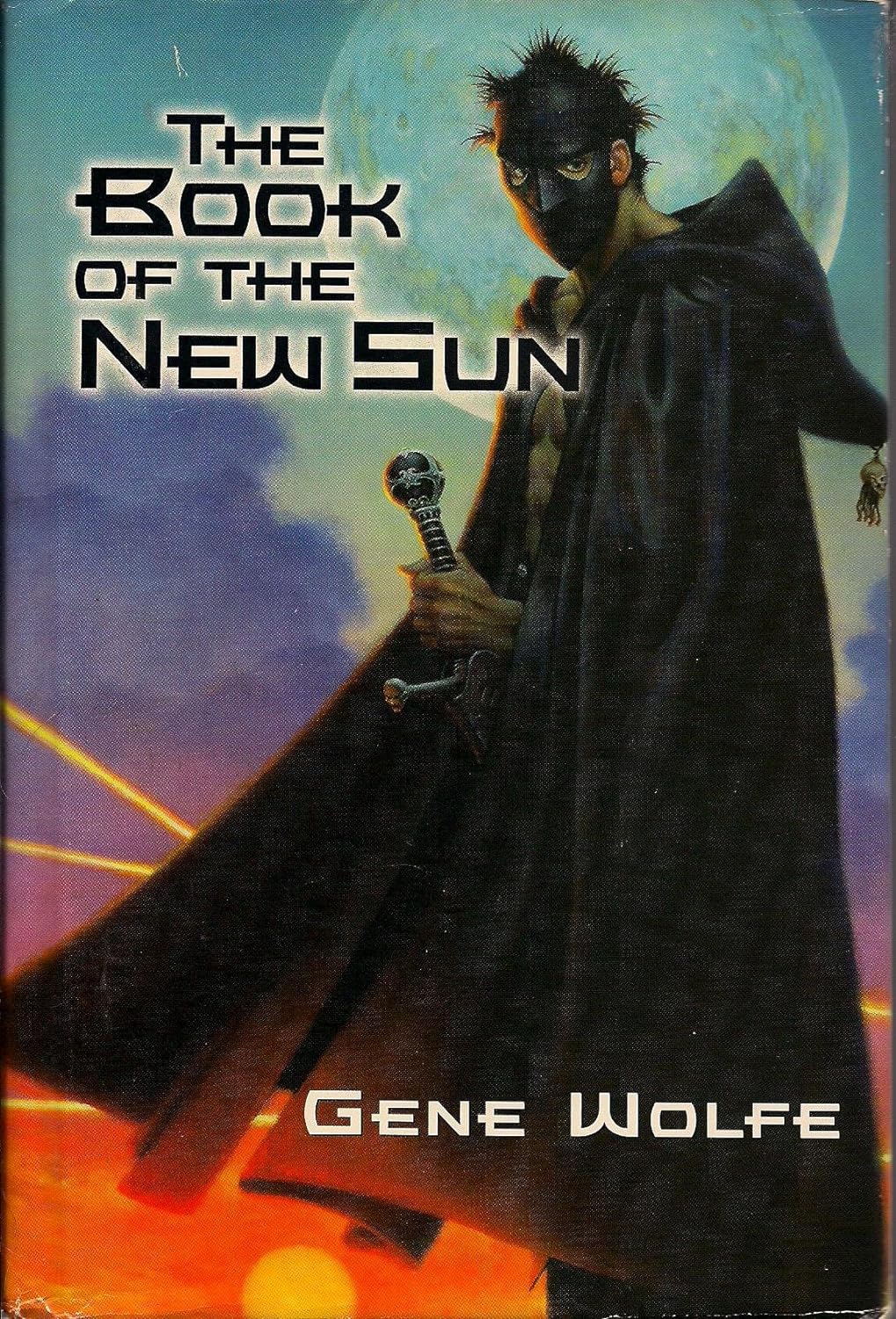
Gene Wolfe, The Book of the New Sun

This five-volume (not four!) epic is drunken-master science fiction. It starts off as a shambolic shaggy-dog story, as Severian the Torturer wanders from one unsettling episode to another, seemingly at random. But somewhere around the third book, the plot threads start to converge rather than diverge, and slowly it becomes clear what a ridiculously long con Wolfe has been running.

Mysteries

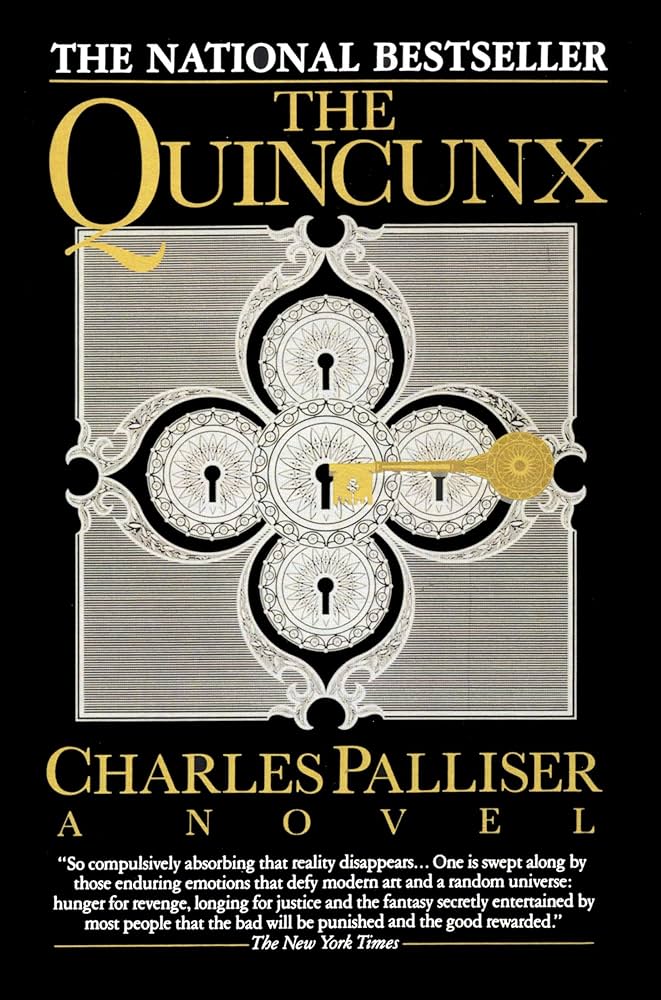
Charles Palliser, The Quincunx

A meticulously plotted historical novel that is also a pastiche of Victorian fiction, The Quincunx is so detailed that it requires not just a family tree but one that is revealed part by part. The plot turns on the location and contents of wills and codicils; there are murders, kidnappings, betrayals, and plenty of other action. Read carefully, and then when you reach the end, read it again—because the final sentence turns everything upside down.

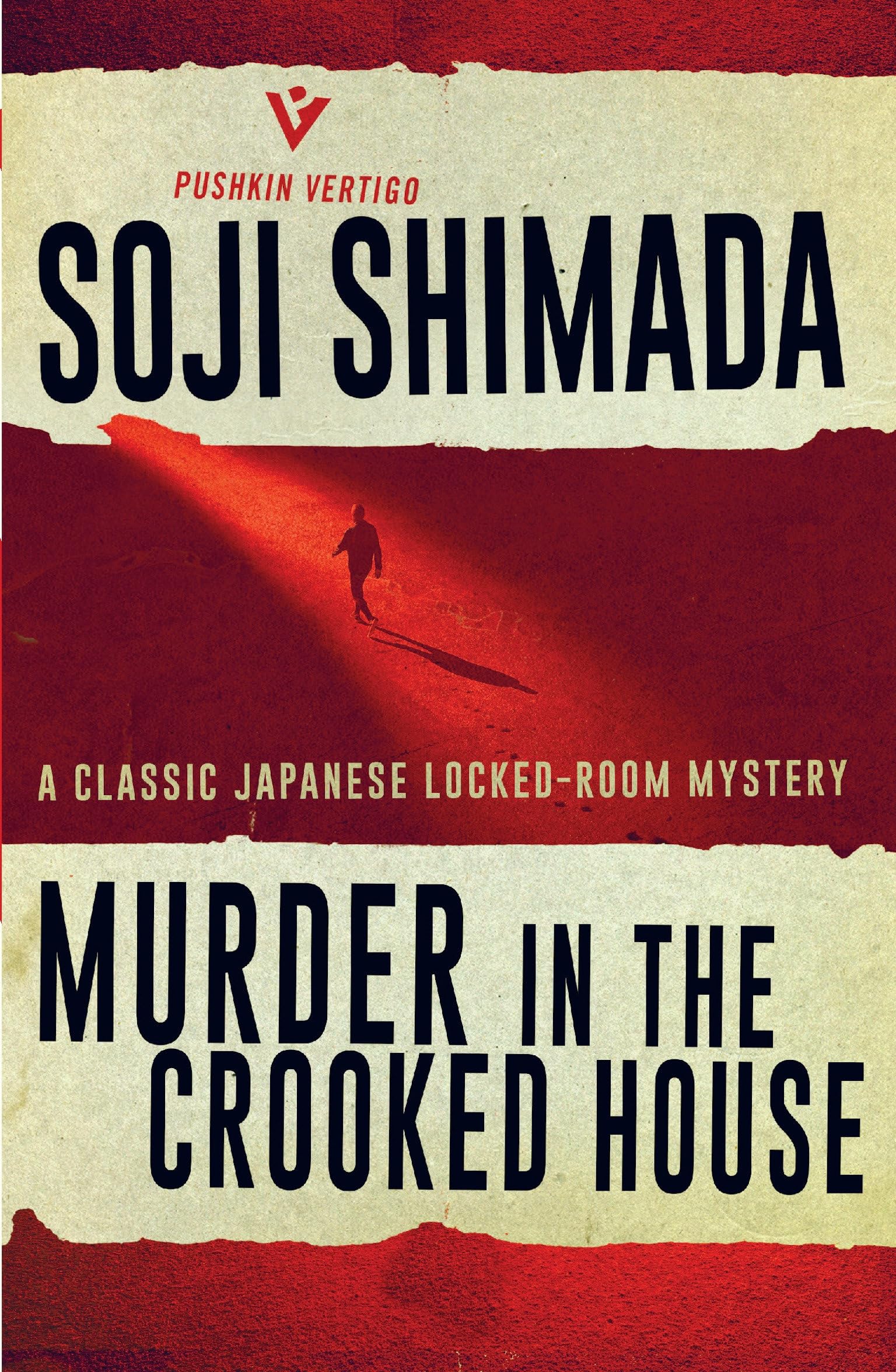
Soji Shimada, Murder in the Crooked House

The Japanese shin honkaku (“new orthodox”) mystery subgenre emphasizes the puzzle-box aspects to the exclusion of almost everything else, including dialogue, characterization, and plausibility. Once you accept that they are formal exercises and fully embrace the artificiality, they are great fun. Murder in the Crooked House, like many others in the genre, features a bizarrely designed house whose oddities are essential to the plot; the big reveal is so over-the-top ridiculous that I couldn’t help but smile. Other fun exemplars include Yukito Ayatsuji’s The Decagon House Murders (exceptionally well-done twist) and The Mill House Murders (another absurd house and a good twist) and Alice Arisugawa’s The Moai Island Puzzle (if the wolf-goat-cabbage puzzle were a murder mystery).

Television

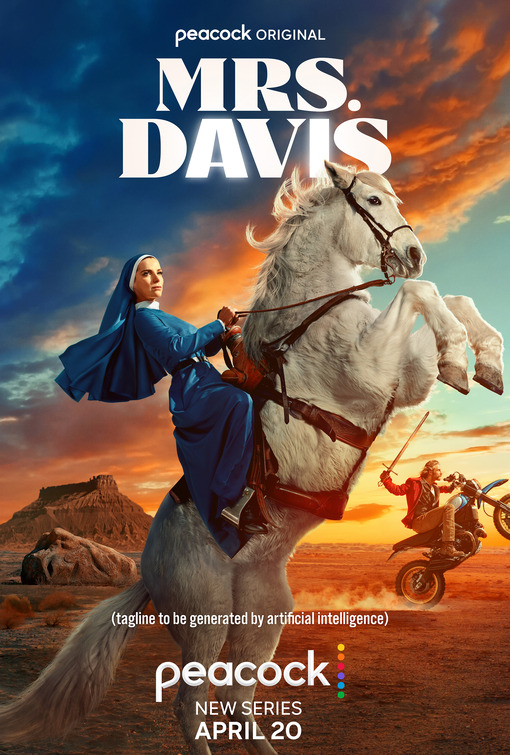
Tara Hernandez and Damon Lindelof et al., Mrs. Davis

Every few minutes, this completely perfect miniseries is punctuated with an over-the-top WTF moment as something absurd and unexpected comes crashing into the plot, often literally. And yet! Everything holds together, all of the madness makes sense, all of the loose ends are tied up. It’s no accident that three of the main themes/metaphors/plot devices are religious faith, an all-knowing AI, and magicians’ swindles. Perfect writing, perfect casting, perfect needle-drops—a non-stop delight.

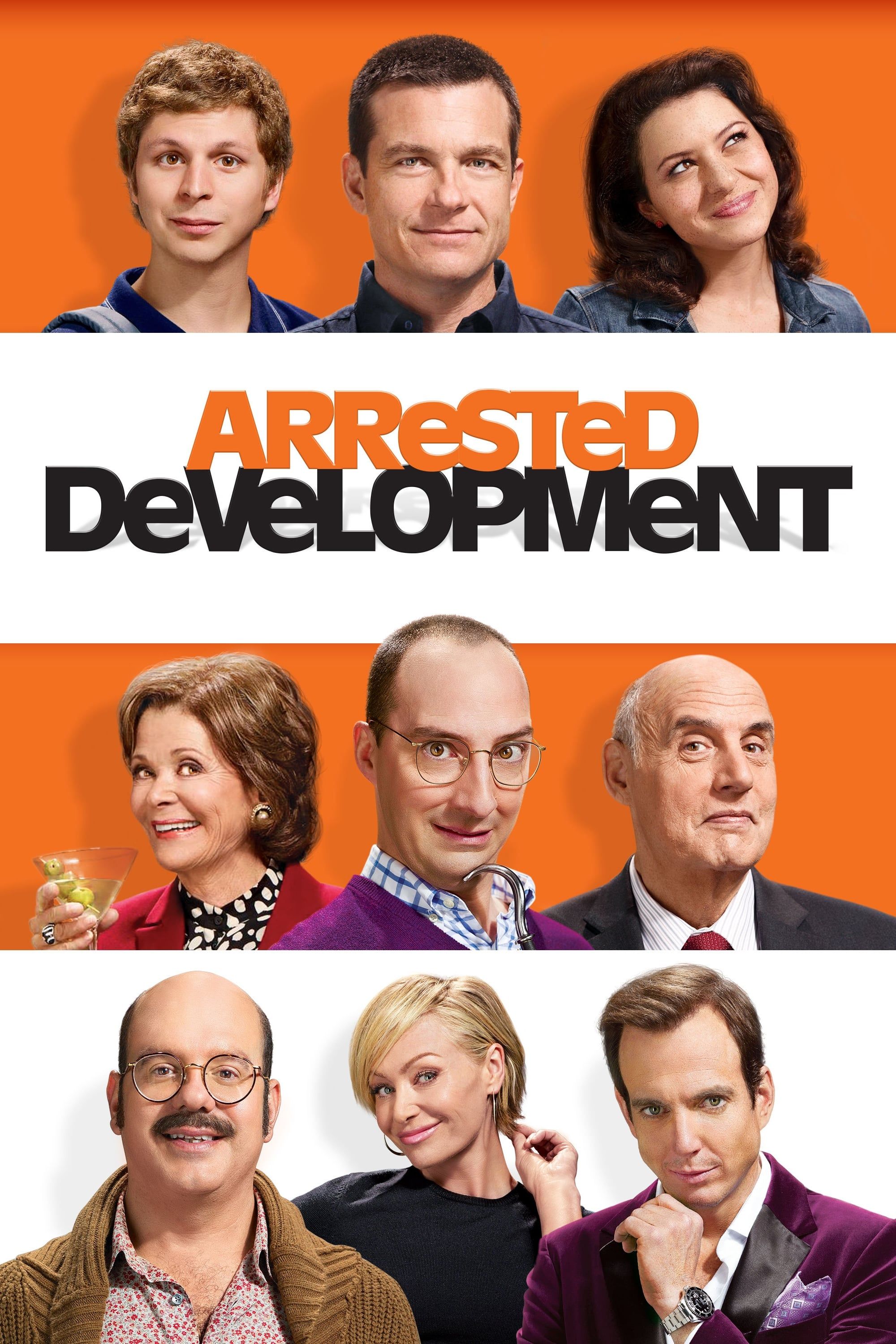
Mitchell Hurwitz et al., Arrested Development

Although it has plenty of brilliant one-off jokes (“It’s vodka. It goes bad once it’s opened.”), the real genius of Arrested Development is the comedic power of repetition. Hearing the same line from different characters in different circumstances allows the show to ring all sorts of changes on an idea. Phrases and images are compressed into a memorable shorthand that highlights the ironies of how the characters constantly sabotage themselves and each other. The show is a self-referential universe of memes, elevated into high art.

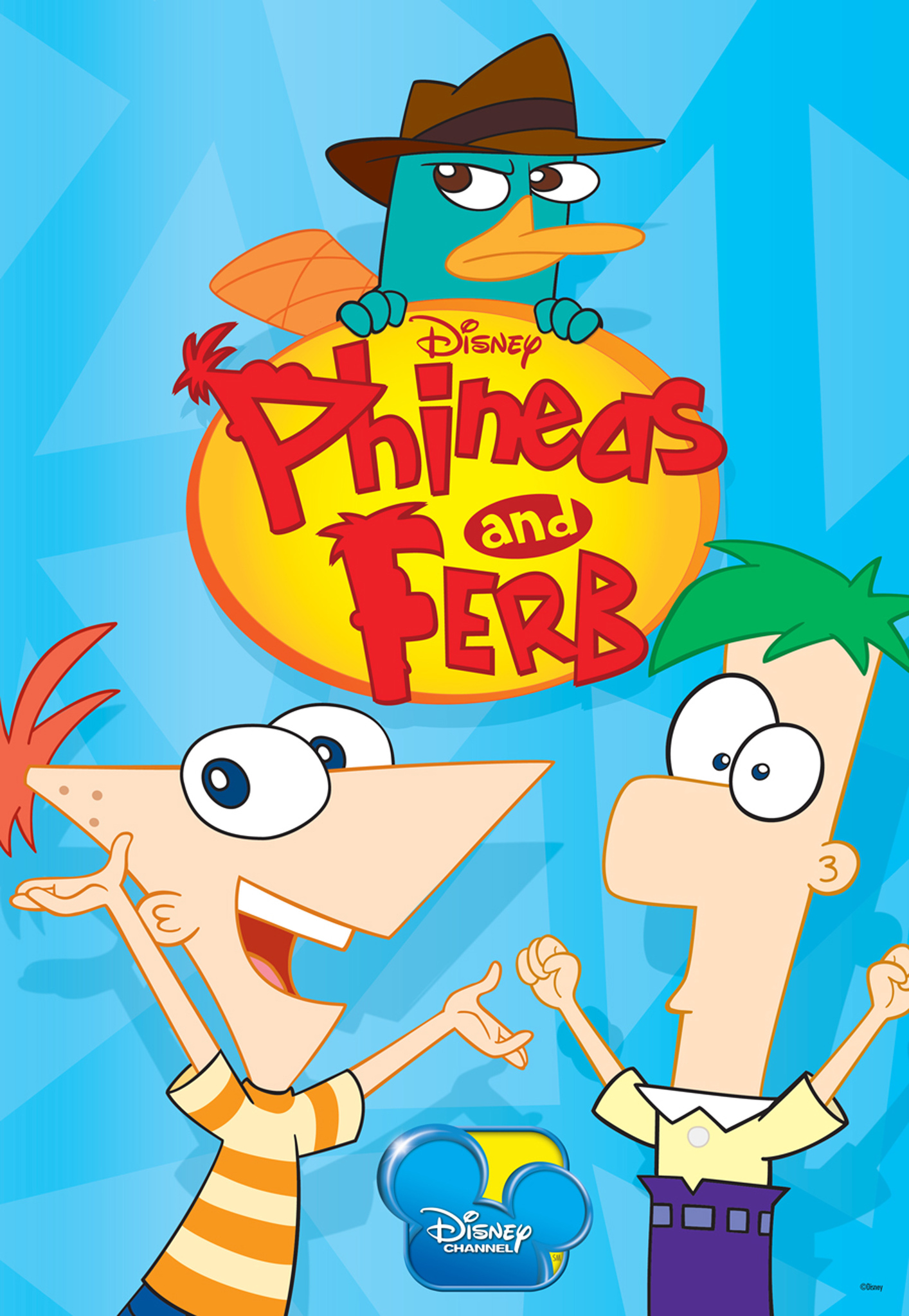
Dan Povenmire and Jeff “Swampy” Marsh et al., Phineas and Ferb

Yes, this is a kids’ cartoon, but it’s also a master class in tightly-plotted comedic writing. Every ten-minute episode features three (or more!) separate plots: Phineas and Ferb build an absurd invention, their sister Candace tries and fails to bust them, and their pet platypus Perry saves the tri-state area from another one of Dr. Doofenshmirtz’s evil inators. Plus a song. There are dozens of running gags, both within episodes and across them, and brick jokes aplenty. It’s all wrapped around a completely sweet core: the main characters genuinely like each other and act with a decency and enthusiasm that is never cloying.

Movies

Joel and Ethan Coen et al., The Big Lebowski

The Big Lebowski is iconic for Jeff Bridges’ performance and for its endlessly quotable script. But beneath the shaggy-dog comedy there is a tightly plotted mystery. Everyone is working an agenda; the fact that The Dude is too stoned and too confused to put all of it together doesn’t mean you the viewer can’t. Other Coen Brothers mysteries have a chilly detachment, but this one is a warm-hearted gem. Infinitely rewatchable.

Christopher Nolan et al., The Prestige

The Prestige is perfectly scripted and shot; there is not an image or line of dialogue out of place, even as Nolan juggles three intercut timelines. There are, by my count, four major plot twists—plus numerous smaller ones—all of which are foreshadowed without being telegraphed, and all of which require reevaluating everything that has gone before. It’s also just a cracking good movie, with a quotable script and a stacked cast turning in top-tier work. Infinitely rewatchable.

Video Games

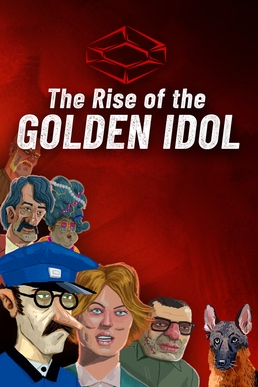
Andrejs Kļaviņš and Ernests Kļaviņš et al., The Rise of the Golden Idol

The best and weirdest of the burgeoning genre of Obra Dinn-likes, this sequel to 2022’s Case of the Golden Idol requires the player to investigate the scene of a death, identify the characters, and piece together what happened. The Kļaviņš brothers are extraordinary at keeping the horrifying truth out of sight: dreadful fates and hidden agendas become clear only after you have put together enough pieces to realize what is not being shown. The cases themselves are presented in a wildly non-linear order, and some jump between multiple locations and timeframes, so that piecing together the overall story is itself a satisfying challenge. The art, the writing, and the music all come together in a game that is wildly, delightfully off-kilter.

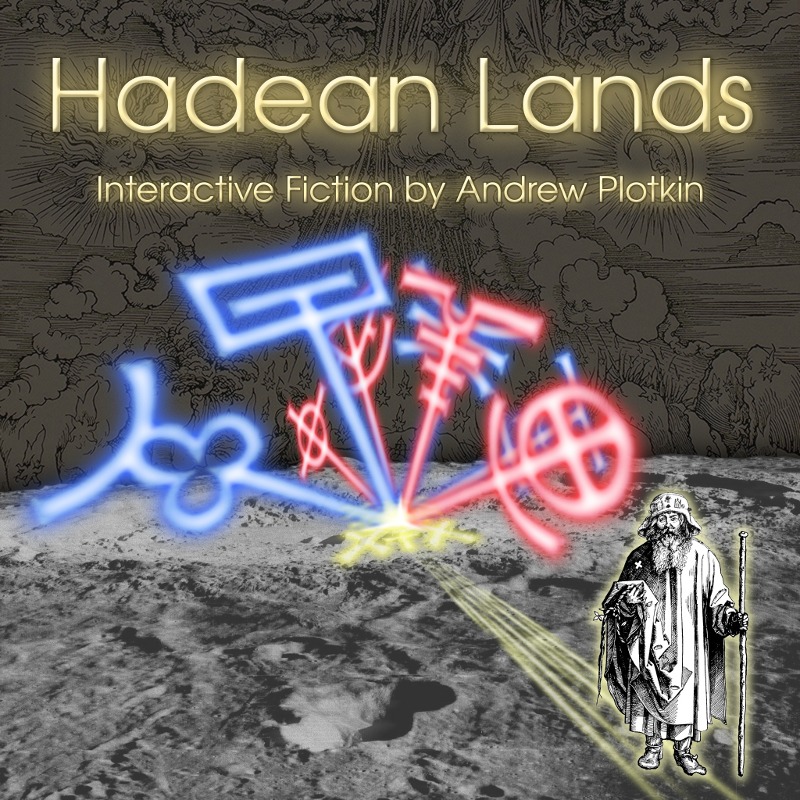
Andrew Plotkin, Hadean Lands

It’s a science-fiction alchemy text adventure. If that grabs you, my work here is done. If not, nothing else I add is likely to make a difference. Still, I’ll say that it features what is probably the most fully worked-out magic system in all of interactive fiction, along with a truly brilliant shortcut system to take away the tedium of repeating things you already know how to do. The puzzles are hard but fair, and the game gives you a real feeling of triumph as you pull off things you would have thought were impossible just a few minutes ago.