The Idea Shelf

Maintained by James Grimmelmann

This is a collection of works that changed the way I think. They didn’t just tell a interesting story or teach me something. They showed me a new way to look at the world, or a new way to explain things, or both. All of them have left traces in my scholarship and my teaching.

This isn’t a list of “important” books, although I think that some of them are important. Instead, this is a personal collection; it reflects the quirks of my interests and aesthetics. I prefer plain and direct writing, with occasional flights of fancy. I’m a systematic organizer, with a preference for orthogonal definitions and clean taxonomies. I want to know why things are the way they are, and how they came to be that way. And I’m obsessed with the presentation of information: where to start and where to conclude, how to work within rigid formal constraints, when to reveal a detail and when to withhold it.

If that appeals to you, I recommend without reservation the books and other media on this list. But even if it doesn’t, I encourage you to make a list like this of your own—the works whose lessons are so important you carry them with you in all that you do.

Art and Culture

Andrew Hickey, A History of Rock Music in 500 Songs

After 7 years and 182 episodes of two to four hours each, Andrew Hickey has gotten all the way up to … 1969. But, as in Anna Karenina, the accumulation of detail is what makes 500 Songs so effective. Scenes flourish and fade, session players and producers get their due, influences and connections emerge across time and space. Hickey has become increasingly bold in his experiments with narrative structure (the Vonnegut-influenced episode on the Grateful Dead is particularly noteworthy), but his willingness to just plain do the work, whether he’s talking about reggae or trad jazz, carries the show. The moments when an emerging star puts their own unique spin on what has come before are just electric—you can hear why suddenly everything was different.
Lewis Hyde, The Gift

Hyde’s particular niche as a nonfiction writer is to articulate important ideas beautifully and to tie them to the nature of art in the modern world. He’s not the first or only person to write about the trickster archetype (Trickster Makes this World) or the cultural commons (Common as Air), but no one else does it quite so eloquently. The Gift starts off as an anthropological story about gift exchange, but it opens out from there into a much broader one about how and why artists share their creations with the world.
Design

Christopher Alexander, Sara Ishikawa, and Murray Silverstein, with Max Jacobson, Ingrid Fiksdahl-King and Shlomo Angel, A Pattern Language: Towns, Buildings, Construction

A design pattern is a reusable template for solutions to a commonly occurring class of problems. This deeply influential book catalogs hundreds of interlocking patterns from architecture and urban planning, things like “market of many shops” and “light on two sides of every room.” Read this and you will understand why some cities and houses feel welcoming and alive, and how to make more like them. Even better, you will also understand how to look for and apply the patterns in whatever you do.

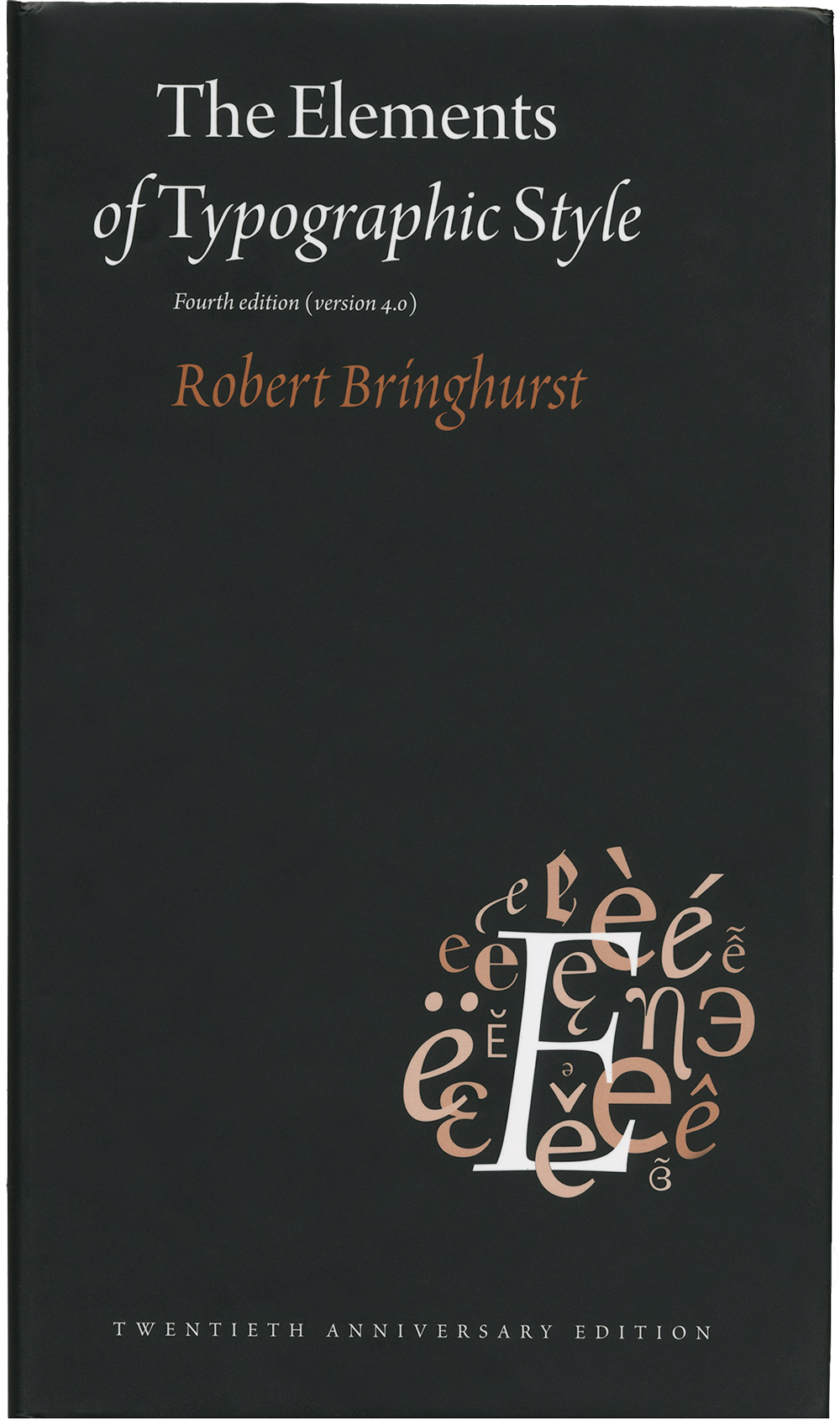
Robert Bringhurst, The Elements of Typographic Style

This book is why I am an annoying snob about typography. Its explanations of the how and why of typographic choices are practical and specific, but the book is permeated by the belief that typographic design requires aesthetic vision. The book takes its own advice, too; it’s exquisitely designed, with every detail in place. My blog’s design is based on Bringhurst’s, in ways that will be obvious as soon as you open it up.

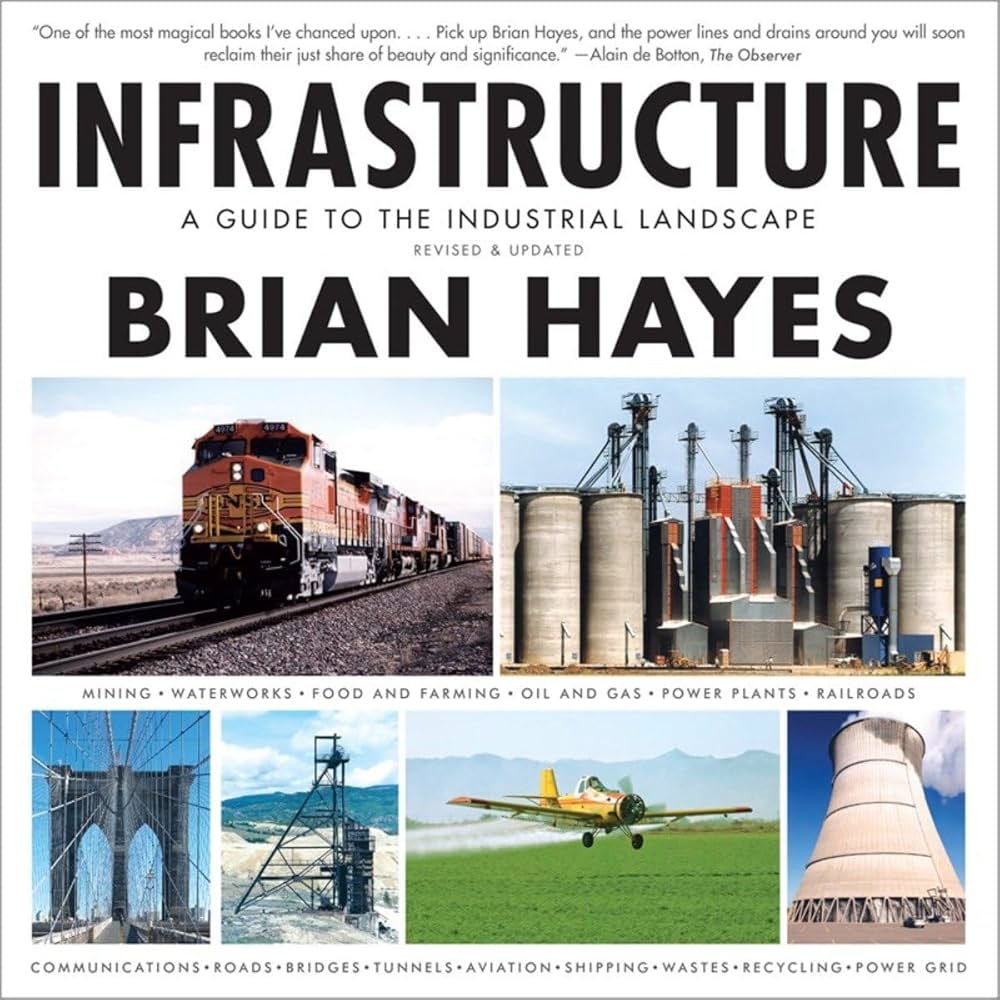
Brian Hayes, Infrastructure

If you’ve ever driven past some kind of industrial site and wondered what all those hulking pieces of equipment were, this is the book for you. Hayes explains, accessibly and with hundreds of photographs, what a concrete plant or a power tranformer or what-have-you is for and why it looks the way it does. Especially useful if you have inquisitive kids.

NFPA, Life Safety Code Handbook

Law structures the human-made world around us. Building codes are a particularly vivid example; for example, why do doors from a stairwell to the outside always open outwards? Codes themselves are often quite dry, but the handbooks that explain them provide vivid explanations of the underlying rationales and illustrations of many things you have seen—but never really noticed—in your daily life. I found an old edition of the Life Safety Code Handbook in a used bookstore while I was working as a programmer, and it helped convince me to go to law school. Bonus: the Manual on Uniform Traffic Control Devices has zero literary style—negative style, even—but it will teach you everything you didn’t realize you wanted to know about streets.

Brian Potter, Construction Physics

Katerra burned through $2 billion trying unsucessfully to lower construction costs through standardized methods and off-site fabrication. Brian Potter, who ran a team there, has dedicated himself to understanding why it failed—why construction remains so recalcitrantly expensive, even though many other industrial processes have become radically more efficient. His approach is methodical, data-driven, and admirably humble; he’s unafraid to conclude a chapter-length post with a confession that he still doesn’t understand a phenomenon after studying it in detail. His book is good, but the newsletter is the real deal.

Avery Trufelman, Articles of Interest

The best (IMHO) of the many NPR-style podcasts, Articles of Interest is about clothes in the same way that Moby Dick is about a whale. The season about Ivy style is a revelation; it captures the astonishing twists and turns that a look has taken across three continents and hundreds of years.

History

Hannah Arendt, Eichmann in Jerusalem

Arendt’s profile of Nazi bureaucrat Adolf Eichmann is famous for coining the phrase “banality of evil,” which is misunderstood almost as often as it is quoted. Sixty years later, the original remains as bracing and unsettling as ever. I wish I didn’t have to, but I think about Arendt’s insights into conscience, duty, and complicity daily.
William Cronon, Nature's Metropolis

An environmental history of Chicago, this book is like an anatomical overlay of the city. Each chapter describes a different system in the giant pulsing organism of the Windy City: the railroads, the grain silos, the lumber mills, the slaughterhouses, and more. Try teaching Munn v. Illinois or Illinois Central R. Co. v. Illinois after reading Nature’s Metropolis and it will feel like an entirely different case. Bonus: Zachary Schrag’s stage adaptation, “with borrowings from Aeschylus, Sophocles, and Euripides.”

Bret Devereaux, A Collection of Unmitigated Pedantry

Devereaux is an ancient and military historian with a deep commitment to public engagement. His blog is notable for its detailed series on the nuts and bolts of how people lived and fought deep in the past, which combine deep scholarly erudition with a great teacher’s ability to explain things clearly and from first principles. Representative highlights include why Sparta was one of the most evil societies of all time, how ancient iron-making worked, a critique of the military accuracy of the battle of Helm’s Deep, an analysis of Europa Universalis IV’s theory of history, and a history of the back-and-forth between artillery and fortifications over time.

Mike Duncan, Revolutions

Mike Duncan intended Revolutions to be a lighter lift than his 179-episode History of Rome (also excellent), featuring 12–15 episodes per revolution. But when he hit the French Revolution, he threw the plan overboard and let each revolution take as long as it needed, culminating in a 103-episode “season” on the Russian Revolution that took three years. The result is exceptionally accessible history that gives a vivid sense not just of the power of impersonal social and economic forces but also the chaos and contingency of people making consequential choices under immense stress. The seasons dovetail brilliantly: the Haitian Revolution plays out in the shadow of the French, and the 19th-century revolutions (successful and failed) are the essential setup for the Russian. Listen to Revolutions and you will never look at politics the same way again.

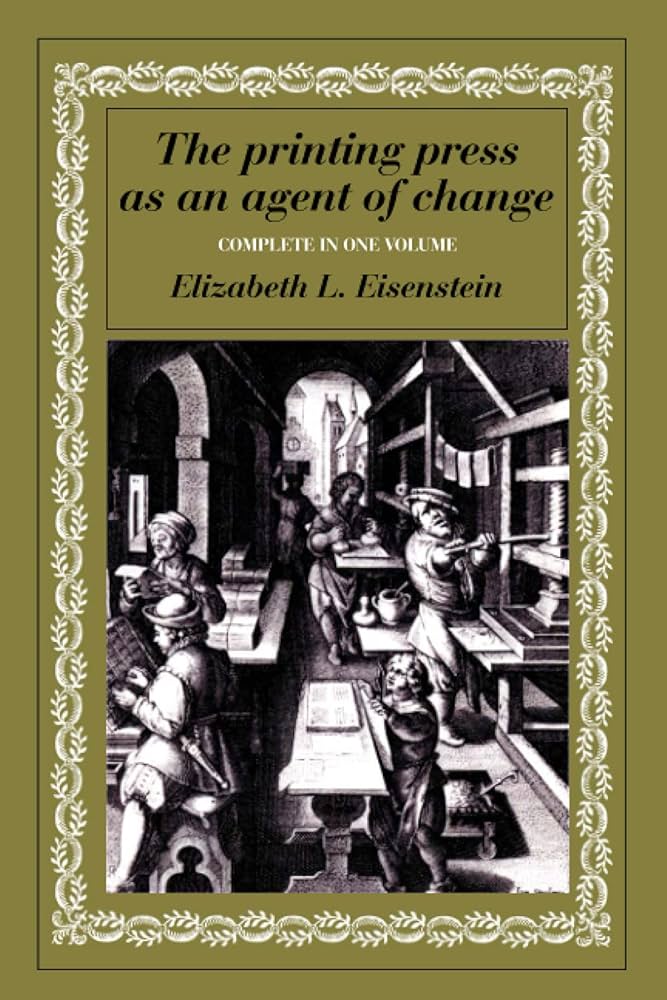
Elizabeth L. Eisenstein, The Printing Press as an Agent of Change

An ambitious and detailed argument that the printing press changed everything: literature, science, culture, politics, religion, and more. Some of Eisenstein’s arguments about print culture and its consequences have been challenged as too determinist, but I find the overall sweep of her argument compelling, and a useful guide to thinking about how today’s technological and media revolutions may play out.

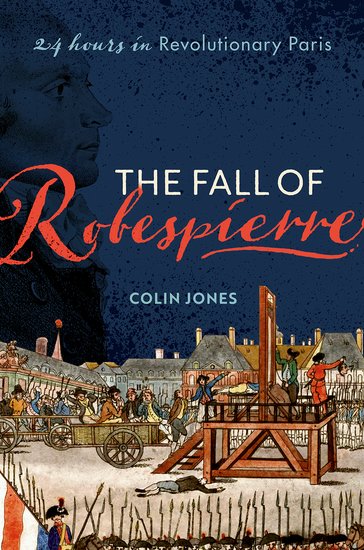
Colin Jones, The Fall of Robespierre

On July 27 and 28, 1794 (9 and 10 Thermidor Year II in the revolutionary calendar), the National Convention deposed Maximilien Robespierre and his radical Jacobin colleagues, staved off a brief uprising on their behalf, and sent them to the guillotine, thus bringing the Reign of Terror to an end. The previous sentence, one you might read in any standard history of the French Revolution, is entirely accurate but deeply misleading, because it underplays just how complex and contingent the days’ events were—essentially a coup improvised in real time. The Fall of Robespierre is an hour-by-hour tick-tock that brings back in the messiness; it convincingly shows how history emerges from the decisions of many people made under circumstances of great uncertainty, stress, and conflict.

Jonathan Parshall and Anthony Tully, Shattered Sword: The Untold Story of the Battle of Midway

What sets Shattered Sword apart from just another battle narrative is its careful attention to the doctrinal and logistical details of how two warring navies coordinated the movements of dozens of heavily armed flying machines with limited fuel. The standard story of Midway is one of a few bad Japanese decisions in the heat of combat and exceptional American luck in exploiting them. Parshall and Tully instead show instead how a great many bad decisions made long before put the Japanese carrier force in a position where its own extraordinary luck was likely to run out.

M. Mitchell Waldrop, The Dream Machine

If you’re going to read one history of computers and the Internet, make it this one. If you’re going to read more than one, start here.

How Things Work

Thomas C. Hayes and David Abrams, Learning the Art of Electronics

I’ve never come close to reading Paul Horowitz and Winfield Hill’s legendary The Art of Electronics all the way through. Instead, I want to praise its student manual, which teaches circuit design as an “art” rather than as a “science.” Everything is presented in terms of absurdly simple heuristics, together with clear warnings about when those heuristics fail.

Wolfgang Langewiesche, Stick and Rudder: An Explanation of the Art of Flying

Langewiesche explains in simple terms and without math how airplanes work. The physics of force and energy are closely rooted in physical intuition. Have you ever wondered why planes bank to turn, or why they use flaps to land? You’ll understand that, and much more. The diagrams are in the charming classic American mid-century illustration vernacular. An enduring classic of the naive style of exposition, designed to be as broadly accessible as possible.

Patrick McKenzie, Bits About Money

The main things to know about Patrick McKenzie are (1) he knows a ton about how financial infrastructure works, (2) he knows even more about how financial infrastructure really works, (3) he is very good at explaining things, and (4) he is extremely sarcastic. Part of my job is teaching law students how 1s and 0s on a computer can control real-world rights. I’ve borrowed a lot of ideas and metaphors from him, and each time he sends out a new edition of Bits About Money I make myself a note to borrow a few more.

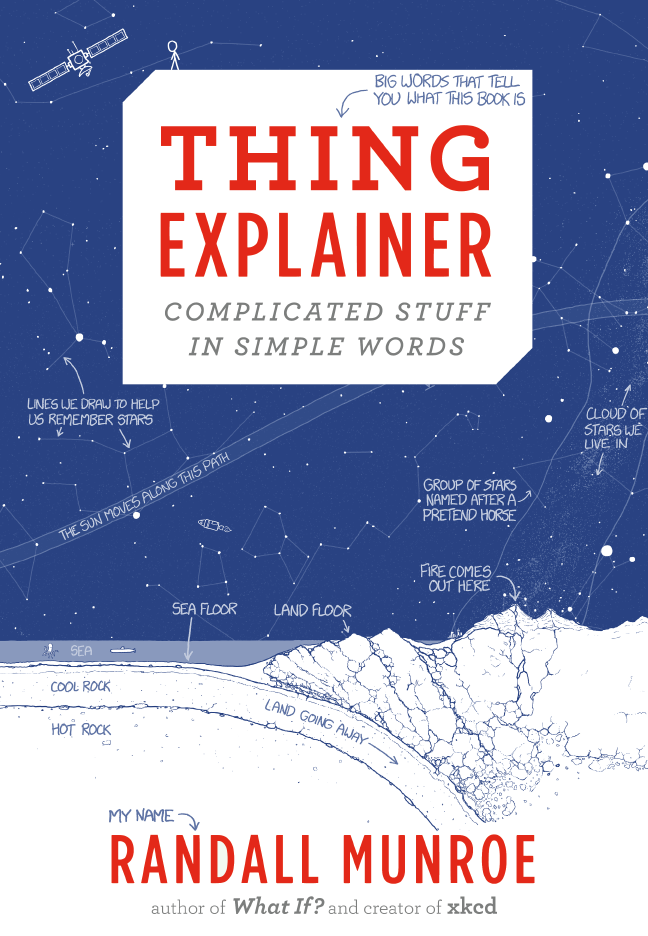
Randall Munroe, Thing Explainer: Complicated Stuff in Simple Words

This book explains how lots of different things work, with lots of stick figure pictures. The amazing part is that it does so using only the ten hundred most often used words. It means that the person who wrote the book had to think very hard about how to talk about hard things in a simple way. Every year when I run a writing class, I make my students write the start of their papers this way. It is good to be able to do this, and great fun too.

David Owen, Copies in Seconds

This short and modest book describes how Chester Carlson invented and Xerox commercialized the photocopier. As a narrative, it’s a good but not exceptional popular-audience history. But as a piece of science communication, it’s exemplary—Owen’s descriptions of the various competing technologies are simple and vivid and you come away with a real appreciation of the scientific and engineering challenges involved.

Louis H. Watson, The Play of the Hand at Bridge

I’m sure there are other good books on bridge, but this is the one that connected with me. It taught me to see a 13-card hand as a collection of obstacles and tactics for dealing with them. The presentation is conversational, logical, and systematic.

W. David Woods, How Apollo Flew to the Moon

On the one hand, the history of the Apollo program is a story of incredible technical achievement, one that required numerous remarkable innovations. On the other, it’s a story of mundane engineering challenges solved in the classic way: with the simplest possible design that would work reliably. Woods connects these two perspectives, showing what each system of the Apollo spacecraft needed to do, and how it did it. Along the way, you gain a new appreciation for how spaceflight works, and just what it takes to send hominids into space and bring them home safely. A marvel of technical exposition.

Law

Thomas Bergin and Paul Haskell, Preface to Estates in Land and Future Interests

The system of future interests in land is becoming a historical curiosity, relevant only to a few specialized practitioners and oddball obsessives. But for many decades it was an essential part of the first-year Property course in American law schools, notorious among students for its abstruse complexity. But behind the arid list of rules to be memorized, there was once a system with a coherent logic. Bergin and Haskell’s Preface is the only book I have ever found that properly explains how that system worked, and how all of its moving parts fit together. If you want to learn something fascinating with no conceivable use whatsoever, I highly recommend this book.

Henry M. Hart, Jr. and Albert M. Sacks, The Legal Process: Basic Problems in the Making and Application of Law

This “casebook” consists of the course materials for Hart and Sacks’s legendary legal process course from 1958, but it wasn’t officially published until 1994. It’s commonly thought of as the classic text that defined the legal process school of jurisprudence, with its focus on which instutional actor is best positioned to resolve a controversy. But the actual text is much broader and stranger, and the breadth of its imagination in pulling together disparate strands of law is remarkable. Again and again, it shows that law is complicated because life is complicated, and its literary style is so distinctive that I wrote an entire article as a tribute to it.

Douglas Laycock and Richard L. Hasen, Modern American Remedies

While you were partying and learning substantive law, I studied remedies. Understanding the different types of remedies is a legal superpower, because it lets you cut through a dispute to understand what could actually happen. This book is exceptionally good at explaining doctrine in a clear and logical way, without ever trying to hide the ball.

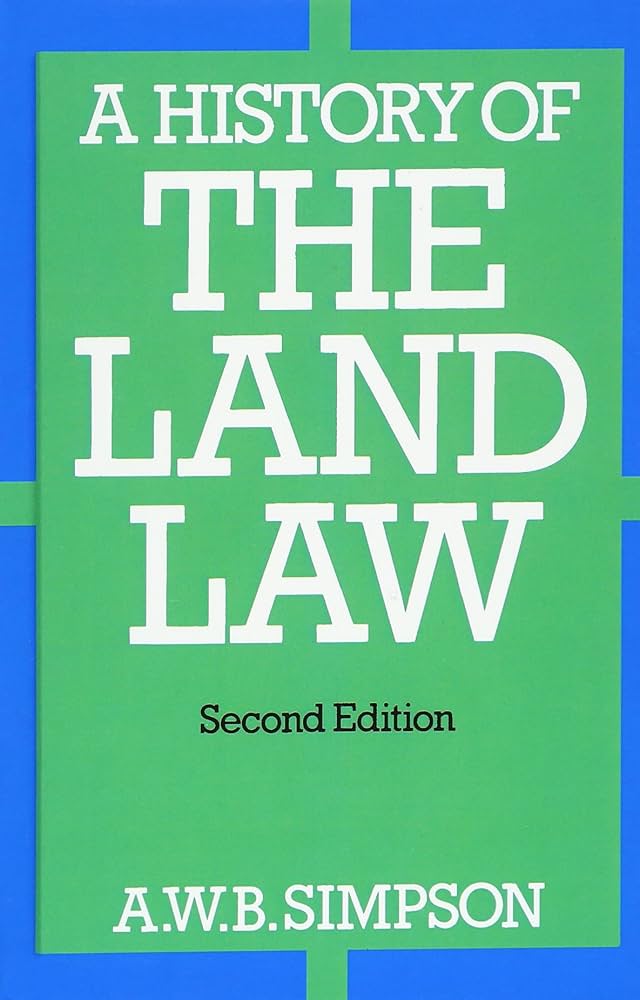
A.W.B. Simpson, A History of the Land Law

This doctrinal history of English real-estate law from roughly the 12th to the 19th centuries is a fascinating study of legal change over time. Again and again, a concepts are created to deal with pressing problems, codified in recognizable forms, modified to cover unexpected cases, confused as their original motivation becomes obscured by the growth of precedent, and ultimately discarded as outdated relics. It’s a complicated subject, and the level of intricacy is just astonishing. I’ve read it multiple times and I still can’t fathom how Simpson is able to keep so many balls in the air.

Language and Rhetoric

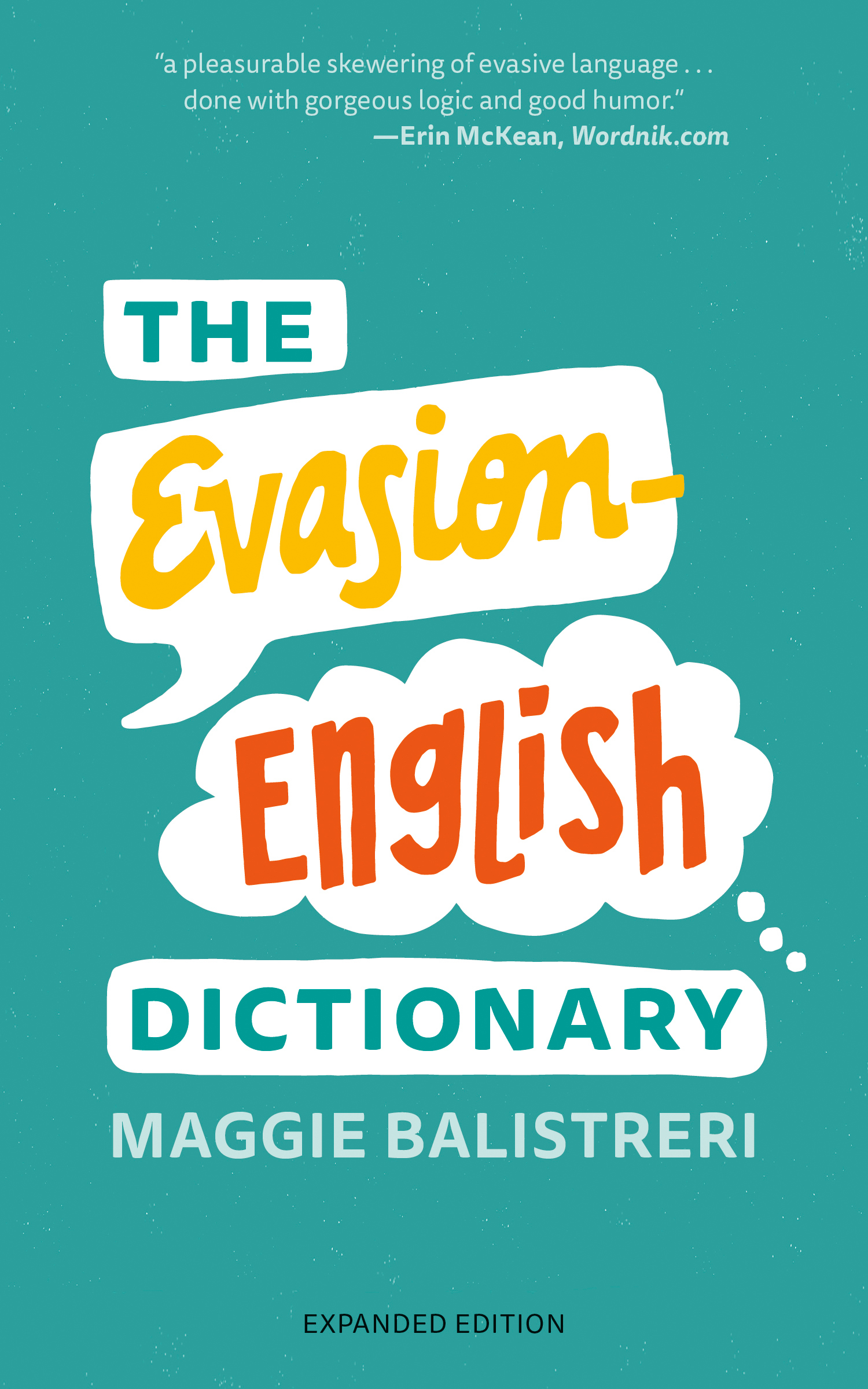
Maggie Balistreri, The Evasion-English Dictionary

feel = am

“I can’t believe I said that. I feel so mean.”

This little volume is slender like a scalpel. It looks it’s about how to choose your words, and it is, but it’s really about how to take responsibility for them.

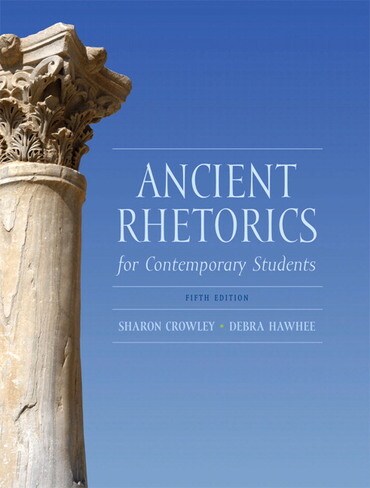
Sharon Crowley and Debra Hawhee, Ancient Rhetorics for Contemporary Students

The three stages of learning about classical Greek and Roman rhetoric are: (1) this is bizarre and obviously wrong, (2) this is just “be persuasive” in fancy words, and (3) ohhhh, now I get it. I don’t recommend this book as a guide to your own argumentation; I recommend it as a way of smashing your preconceptions about how arguments work.

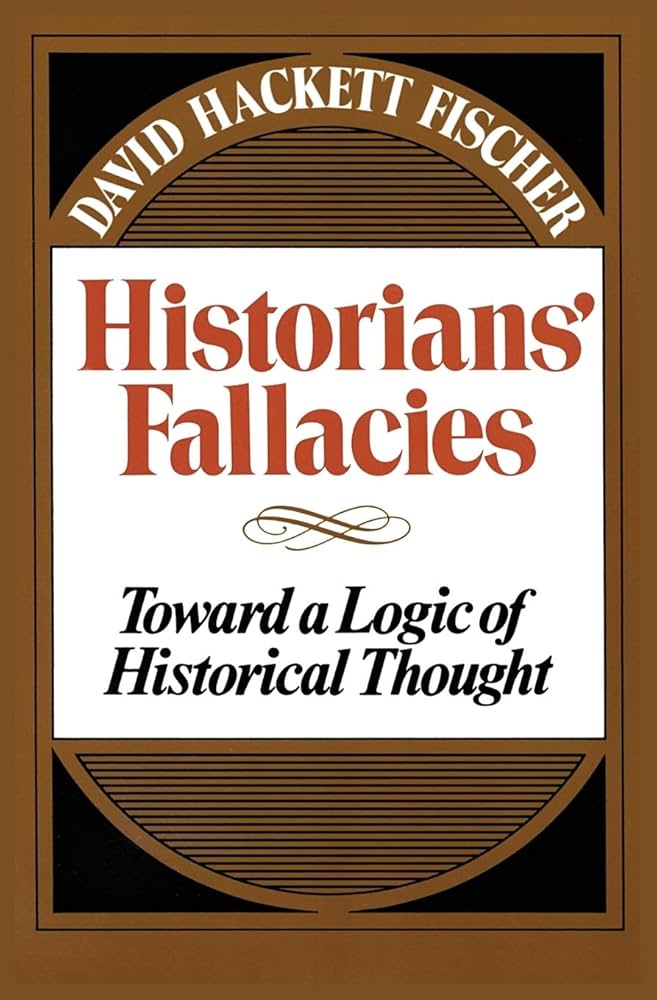
David Hackett Fischer, Historians' Fallacies

This is a book about how not to draw unwarranted conclusions. It happens to be written by a historian about other historians’ errors—and it was recommended to me by my mother, a historian—but its lessons are hardly limited to history. Fischer’s taxonomy of fallacies is so clean and enlightening that I copied it out by hand. Where other guides to argumentation tend to induce a kind of complacent smugness, Historians’ Fallacies cuts closer to the bone. There but for the grace of God err I.

Mathematics

Otto Toeplitz, The Calculus: A Genetic Approach

Toeplitz turns high-school calulus inside-out: starting with infinite series and the integral, and only then looping back to the derivative. Why? Because that’s how it was created. Understanding the kinds of problems that Newton, Leibniz, and others were trying to solve, and how their new methods helped, makes the entire subject snap into focus.

David Bressoud, A Radical Approach to Real Analysis

At the start of the 19th century, Joseph Fourier developed a new class of methods that worked brilliantly on real-world problems but sometimes produced bizarre, even nonsensical “functions.” Bressoud’s book tells the story of how two generations of mathematicians rebuilt calculus from the inside out to make sense of these new techniques. This is mathematics writing of the highest order; it has the page-turning suspense of a good historical mystery novel.

David Bressoud, A Radical Approach to Lebesgue's Theory of Integration

This book carries the story from A Radical Approach to Real Analysis forward into the 20th century. It’s less narratively gripping, but the mathematical pedagogy is exceptional. By tracing the back-and-forth volleys of definitions and counterexamples exchanged by working mathematicians, Bressoud shows not just how the modern measure-theoretic approach to integration emerged but why it works the way that it does.

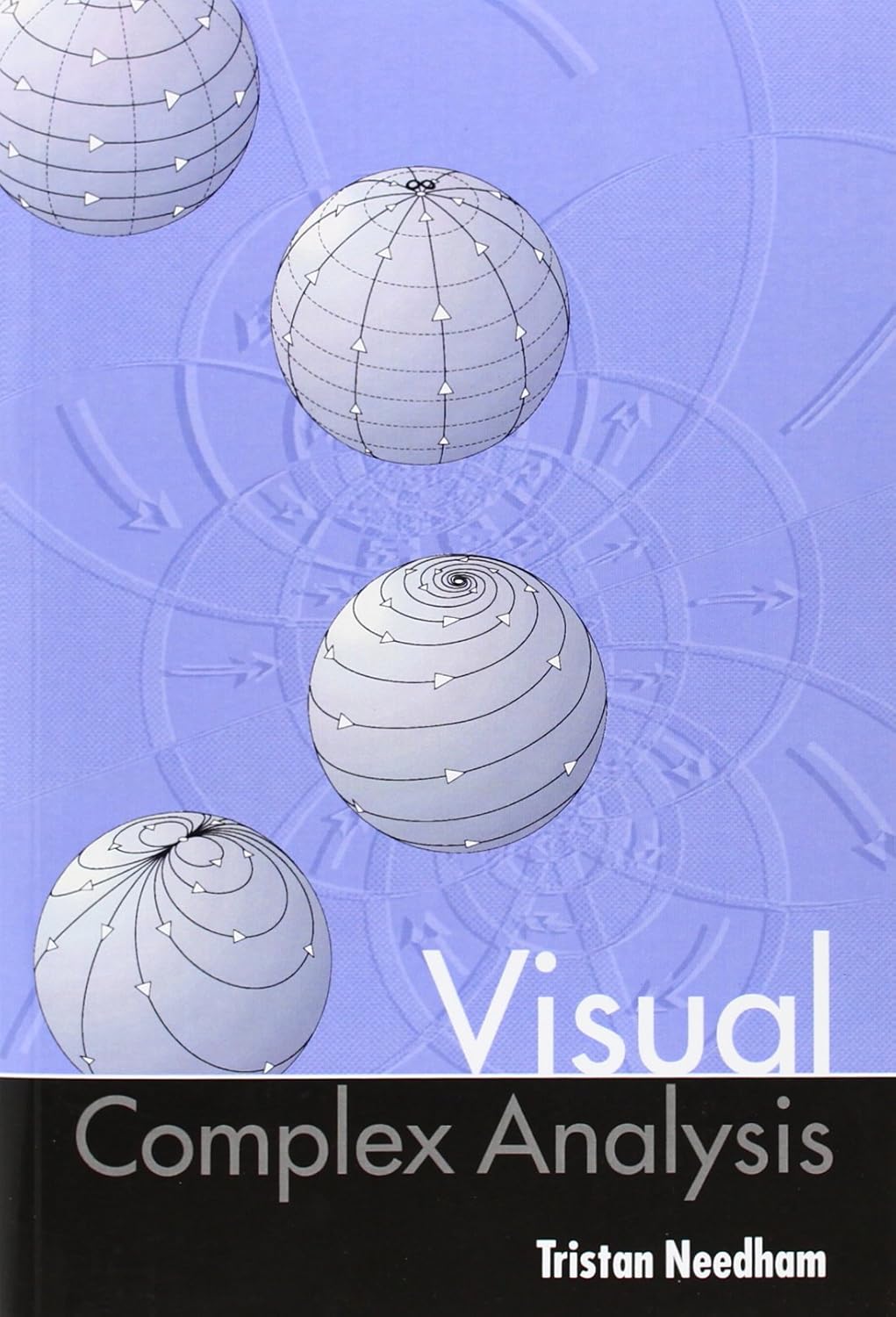
Tristan Needham, Visual Complex Analysis

Visual Complex Analysis uses a foundation of geometric intuition to compellingly explain why calculus in the complex plane has to work the way that it does. The diagrams are numerous, and extraordinary.

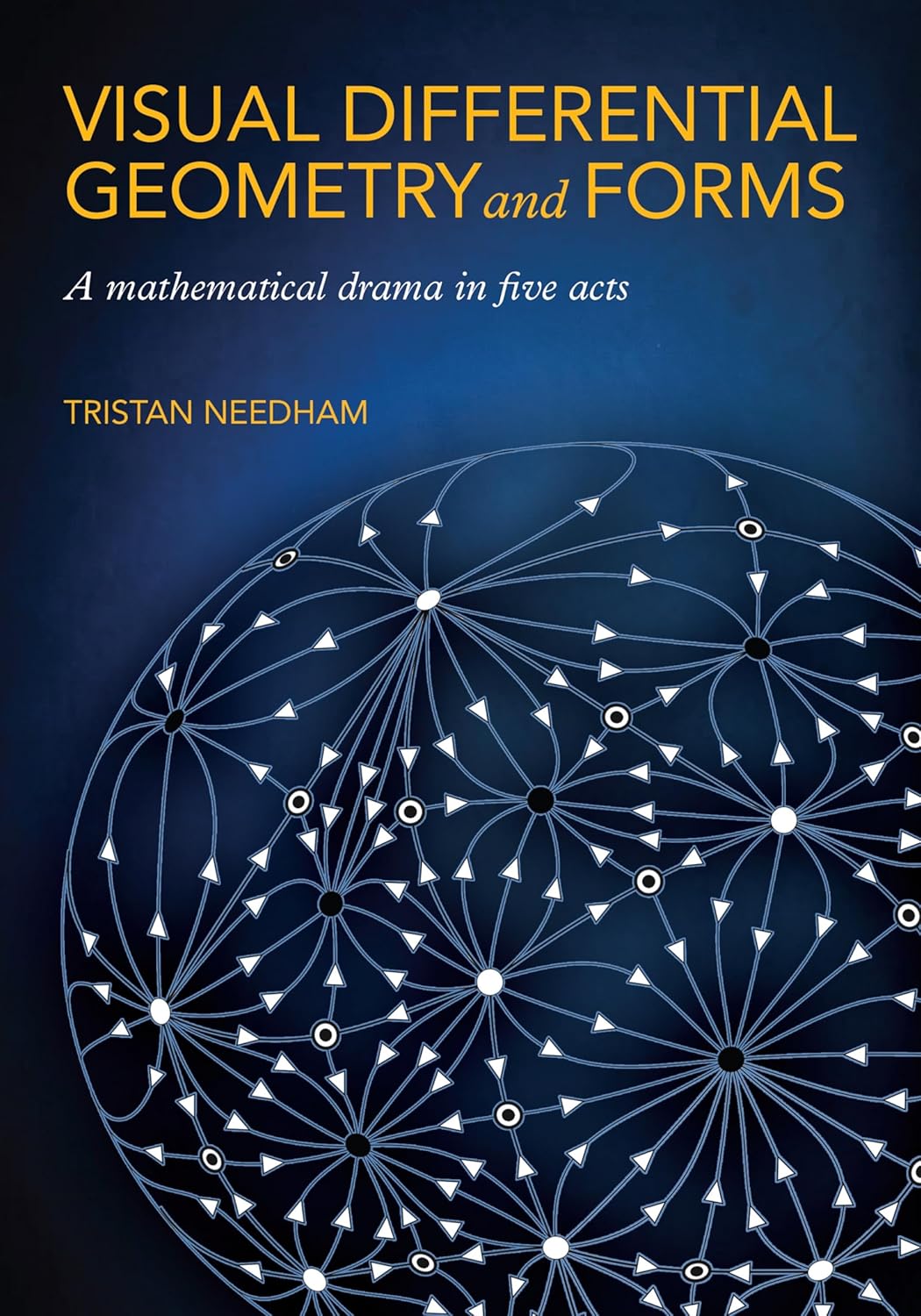
Tristan Needham, Visual Differential Geometry and Forms

Differential geometry is usually presented abstrusely, but Needham invites you to stick toothpicks in vegetables. The highlight is the application to general relativity, which makes sense of counterintuitive ideas like straight paths through curved spacetime.

Steven H. Strogatz, Nonlinear Dynamics and Chaos

This is the book to read if you want to know what Jeff Goldblum was talking about in Jurassic Park while flirting with Laura Dern. Strogatz explains the basics of chaos theory: why pendulums rock steadily back and forth, but the weather becomes unknowable more than a few weeks out. His style is deliberately informal and bottom-up, filled with illuminating examples rather than rigorous proofs. You always have a crystal-clear sense of what a system could do and why unpredictable behavior results: the ball could roll this way or that way, and if it does …

Philosophy

Søren Kierkegaard, Fear and Trembling

Fear and Trembling made me respect religious faith by showing me that I don’t understand it and never will. It’s also an incredible piece of writing: the single most-quoted work in my commonplace book. And that’s not even getting into how this book is directly responsible for my marriage.

Derek Parfit, Reasons and Persons

The concept of a person—an entity with a stable identity that persists through time, whose well-being is a matter of moral concern, and who can take actions and have reasons for taking them—is utterly central to moral philosophy. This dense, tightly-argued, and wide-ranging book, filled with science-fictional hypotheticals like a transporter that kills the user and brains that split and recombine over time, utterly destroyed my confident belief that I knew what personal identity was. One need not agree with all of Parfit’s conclusions (indeed, Parfit himself later revised some of his views) to find his approach exhilarating, like seeing the ocean for the first time.

Plato, The Republic

There’s a drill: you get to college, you read The Classics. Most of them are huge letdowns. The Republic isn’t. It’s completely brilliant and completely crazy. The dialogue format is abusive and question-begging, but the ideas still feel fresh and bracing thousands of years later. There’s a reason that the allegory of the cave is endlessly memeable.

Peter Westen, The Logic of Consent

Some books come to you when you need them. I beat my head against a wall for years trying to write a paper about computer misuse law. Then I read The Logic of Consent and all became clear. Moral and legal philosophers have argued for decades over the nature of consent. Westen doesn’t resolve their arguments; instead he show that they are talking past one another, because “consent” as it is used in law is actually a bundle of related concepts, each of which does useful work.

Power

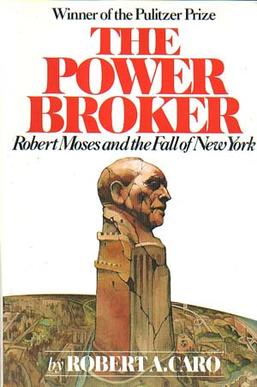
Robert Caro, The Power Broker

The OG doorstop on the acquisition and use of power, The Power Broker fully lives up to its reputation. The detailed receipts on how Robert Moses repeatedly and deliberately screwed over poor people and minorities to build his concrete empire are justifiably famous. But the real revelations in this book, at least for me, came in the more mundane accounts of how Moses mastered the mechanics of government bureaucracy, from his early days fixing railroad grade crossings to the way he structured agency boards to thwart political control. Caro is an indefatigable researcher and a beautiful writer, and the result is a book that captures not just one man’s career, but how an entire city emerged into its modern form.

Edward N. Luttwak, Coup d'État: A Practical Handbook

Most of us, I hope, will never take part in an actual coup, but it is good to understand what happens when political battles become literal battles. Puckishly written in the form of a how-to guide, this book is an accessible introduction to the relationship between what happens in the halls of government and what happens in the streets.

Hilary Mantel, The Wolf Hall Trilogy

Yes, this is a darkly comedic, gimlet-eyed work of historical fiction, full of the mordant insights into human nature and the stiletto-sharp writing for which Mantel is justly famous. But it’s also a close-up guide to the acquisition and use of power, and the story of Thomas Cromwell’s rise and fall is an timeless look at how the ambitious and willful manipulate and ricochet off one another. Cromwell is a master of the game, until he isn’t, and Mantel’s Henry VIII is a charismatic monster. Unparalleled.

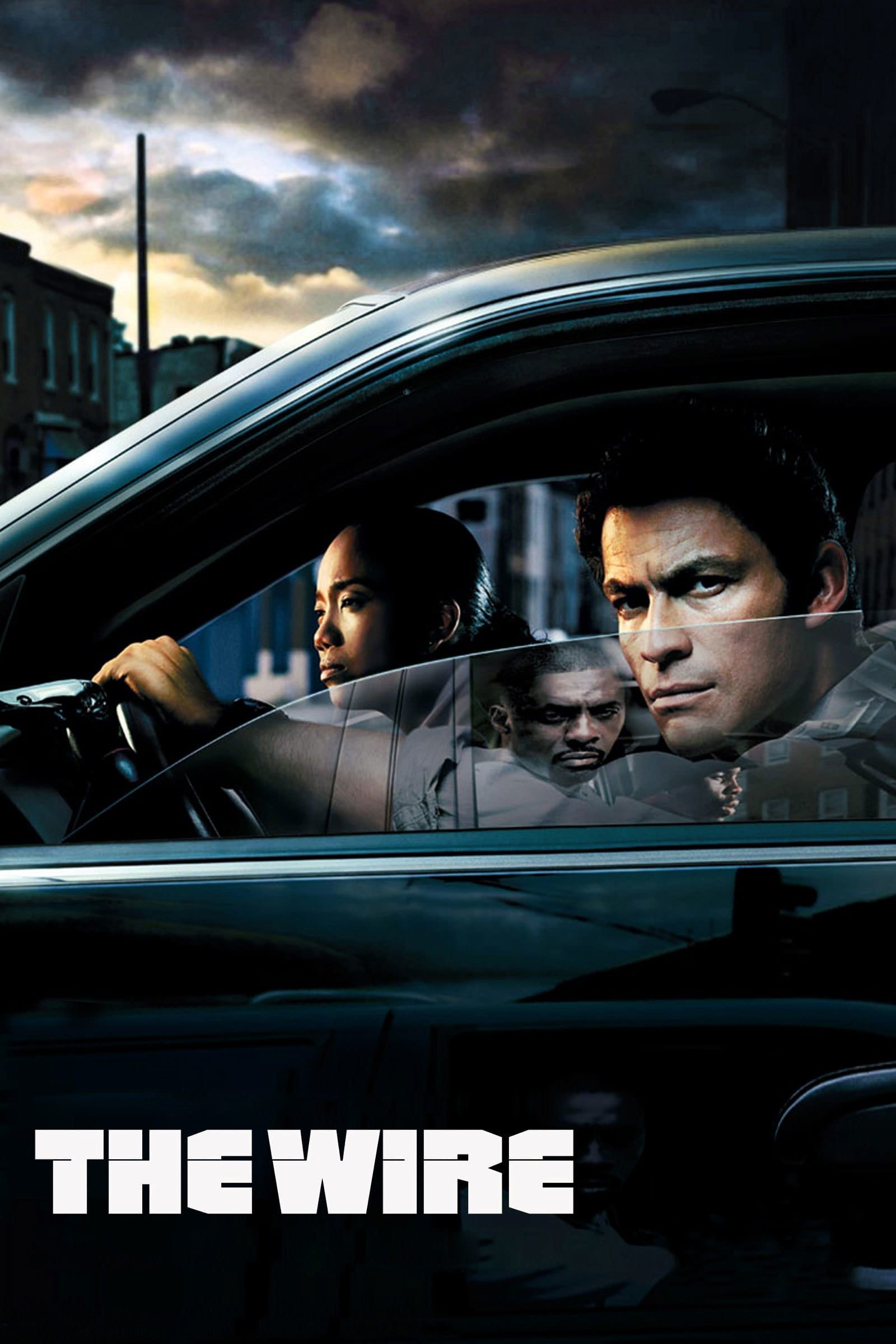
David Simon et al., The Wire

All the pieces matter. The ultimate sociological television drama, The Wire shows how “the system” isn’t an abstraction; it’s made up of people with their own stories and struggles who end up perpetuating the same dysfunctional institutions that oppress them. Players enter and exit (often violently) but the game goes on. The show is also a detailed textbook on bureaucratic power struggles, whether the bureaucracy is a police department or a criminal fucking conspiracy. I have absolutely used things I learned watching The Wire when serving on faculty committees.

Science

Louis L. Bucciarelli, Engineering Mechanics for Structures

How many other engineering textbooks start with Galileo’s analyses of forces in solids, using the actual illustrations from Dialogue Concerning Two New Sciences? I absolutely could not perform an engineering calculation of more than trivial complexity. But thanks to this elegant and unconventional book, I have a rock-solid (ha) sense of tension, compression, and shear, and of how structures are designed to deal with them. Read it and you will never look at a bridge or a barstool the same way again.

Jonathan Clayden, Nick Greeves, and Stuart Warren, Organic Chemistry

For reasons, I had to learn organic chemistry in a week. After many hours of reading, memorizing, and rereading, I had a Keanu-style whoa, I know orgo moment, in which it suddenly became clear that the entire subject is about the movement of electrons. I could have saved myself a lot of time and effort if I had been studying from this book, the best (IMHO) of the modern mechanism-based textbooks. The order of topics is unconventional but logical, and the book has a strong emphasis on how we know what we know that makes topics like spectroscopy into a core part of the narrative. The prose is first-rate, the molecular diagrams informative, and the boxes and marginal notes are helpful rather than distractions. Chemistry unavoidably deals with the messy details of specific compounds; this book is an absolute marvel of how to describe both the forest and the trees.

Raymond E. Davis, Francis S. Foote, and Joe W. Kelly, Surveying: Theory and Practice

Read old textbooks! There are newer books on surveying, that cover the modern tools—like lasers, drones, and GPS—that you would use if you were doing any real surveying today But this 1966 text I found in a used bookstore shows a close engagement with the problem of how gather reliable data about the physical world using only our falliable senses and equipment subject to its own inherent variability. Reversion—reversing an instrument to reverse and then correct for its error—for example, is just one of many fascinating practical solutions to real-world problems.

Lewis Carroll Epstein, Thinking Physics: Understandable Practical Reality

Learning physics is as much about physical intuition as it is about theorems and calculations. Thinking Physics distills that intution into nearly pure form. It consists of a carefully graded series of questions and answers, with lucid explanations and charming illustrations, covering everything from satellites to teakettles. Bonuses: Jearl Walker’s The Flying Circus of Physics is similar but pitched at a substantially higher level and with terser explanations, and Louis Bloomfield’s How Things Work is notable among physics textbooks for its strong grounding in physical intution.

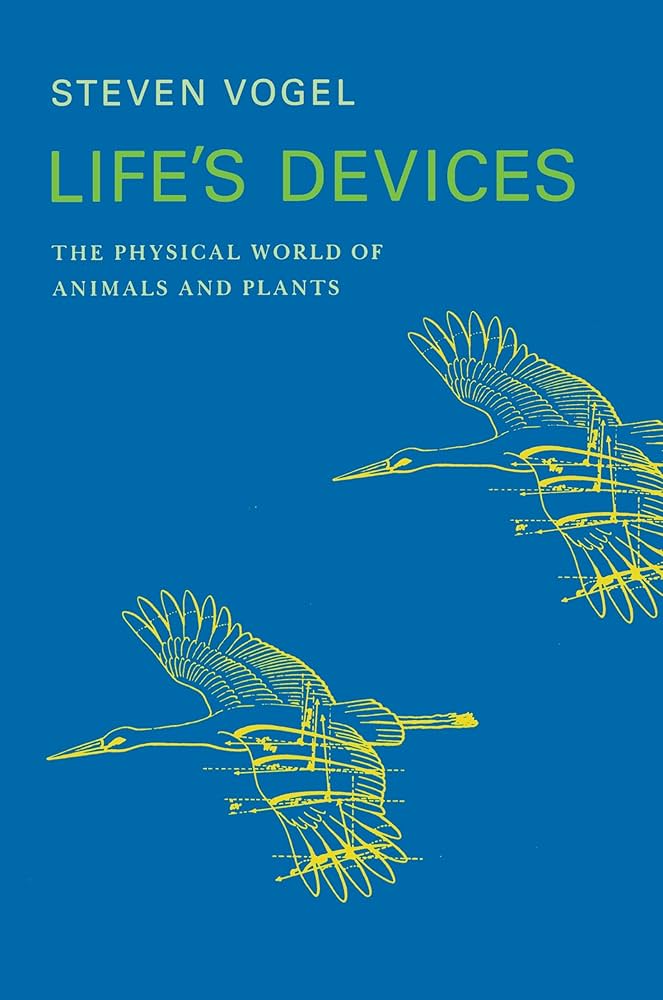
David S. Goodsell, The Machinery of Life

I had an abstract understanding of how cells work from high-school biology, but The Machinery of Life actually explains the nitty-gritty of how all of the necessary molecules fit together, interact with each other, and get to where they’re needed. It’s carefully quantitative without being overwhelming; really understanding the different scales of distance inside a cell and respective molecular counts and sizes makes you see microbiology an entirely different way. And I do mean see: Goodsell uses extensive illustrations based on up-to-date imaging science.

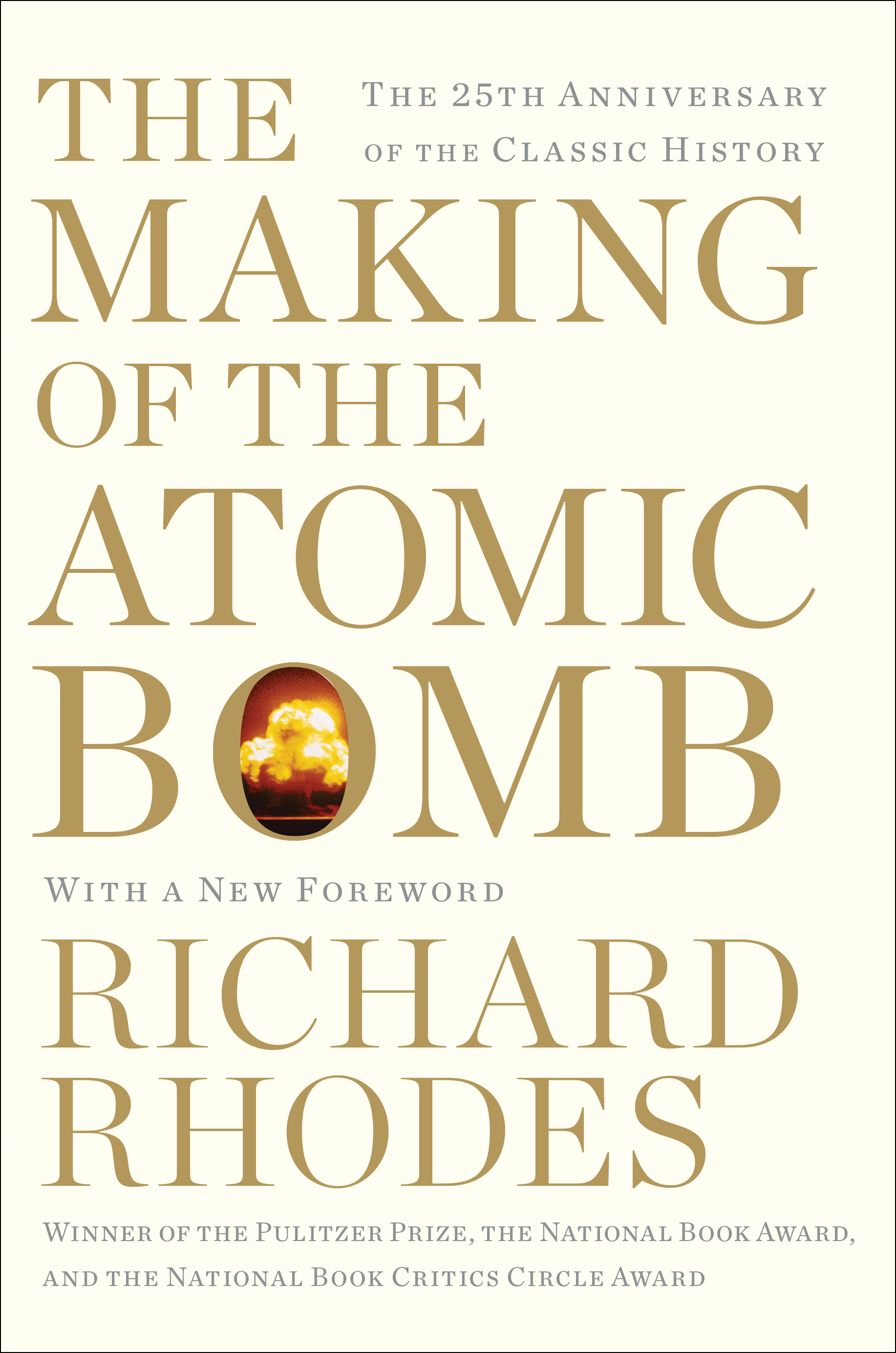
Richard Rhodes, The Making of the Atomic Bomb

The Making of the Atomic Bomb isn’t just the standard history of the Manhattan Project; it’s also a remarkable work of science journalism. A less ambitious book might have started in 1938 (nuclear fission); Rhodes starts in 1895 (X-rays), and takes nearly 400 pages to retrace the entire history of atomic physics in between. He’s right that it provides essential background to understand the engineering effort and the uncertain race against time involved in building the first atomic bombs. But the result also stands on its own as a compelling portrait of the scientific process. The book’s explanations of the physics invovled are clear, accessible and startingly detailed; it runs circles around every other general-audience book about physics I’ve read.

Society

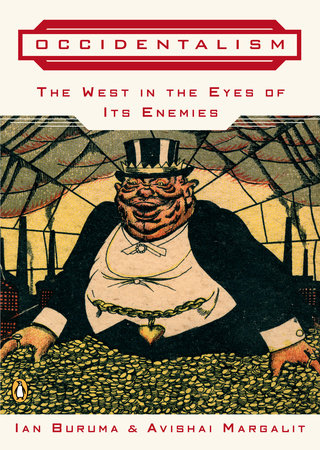
Ian Buruma and Avishai Margalit, Occidentalism

Edward Said famously developed the idea of Orientalism to explain the West’s creation of an imaginary, exotic, and primitive Eastern “other.” Buruma and Margalit invert the concept to ask how the West’s enemies conceive of it. Their list of tropes—Western societies are thought of as cosmopolitan, feminine, godless, soulless, and mercantile—is clearly correct. The application of this point to the modern MAGA movement is left as an exercise for the reader.

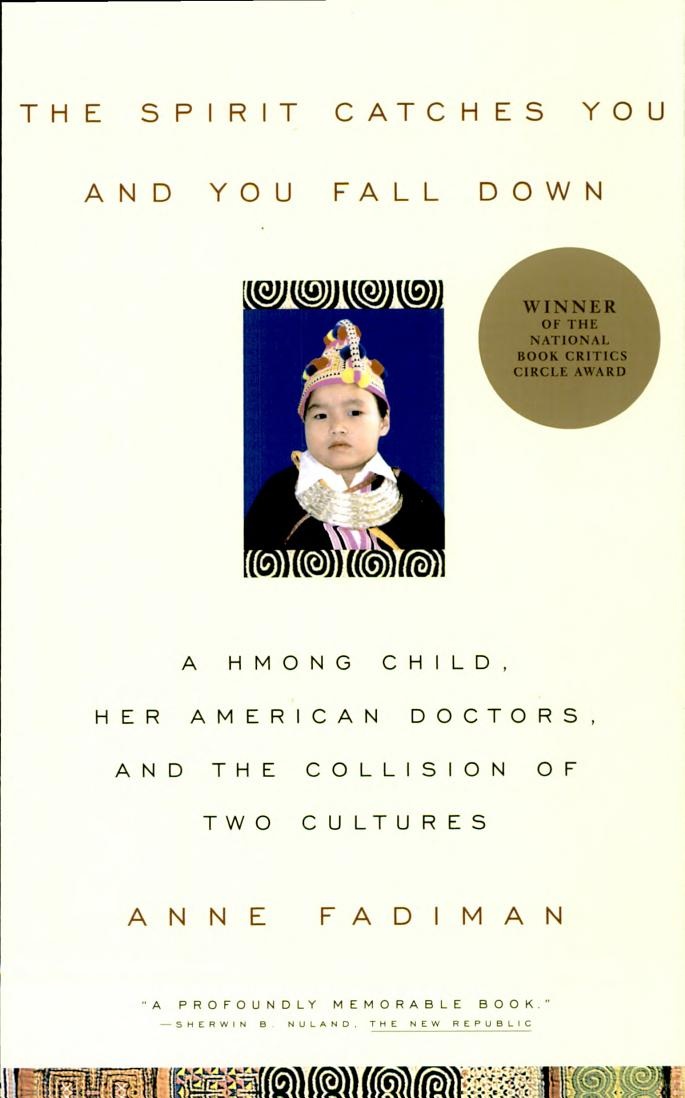
Anne Fadiman, The Spirit Catches You and You Fall Down

Deeply empathetic, this is a book about medicine and about the Hmong experience in America. It’s about well-intentioned people doing their best and failing; it’s about conflict and misunderstanding and life and death. I read it when I was young and thought I knew a lot, and it helped make me older and understand that I knew so very little.

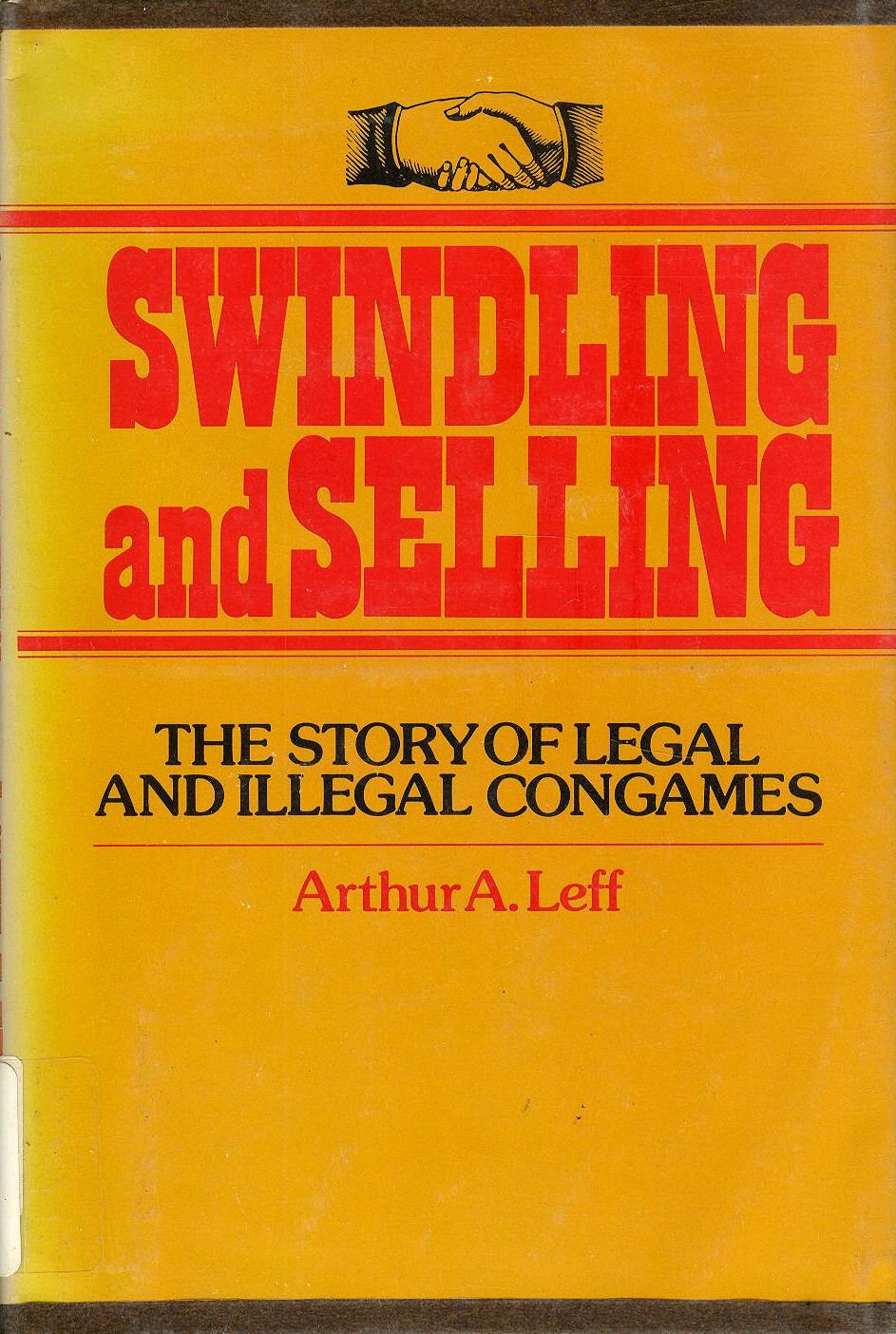
Arthur A. Leff, Swindling and Selling

Every sale is a con job; every con is a sales job. Swindling and Selling sheds light on their common persuasive task: not just to convince the buyer that they’re getting a good deal, but also to explain why the seller is, too. How is it that a deal good enough to be worth taking isn’t also too good to be true? Once you see the problem, everything about sales suddenly makes sense.

Sarah Marshall and Michael Hobbes, You're Wrong About

You’re Wrong About is about misremembered scandals and crimes from American history, with an emphasis on how the media distorts the stories it tells, and you can listen to it on that level and have a perfectly great time. But it’s also a master class in how to be empathetic without losing your moral grounding, and vice-versa. Sarah and Michael have particular sympathy for the women that pop culture has treated as caricactures and monsters, but they treat murderers and abusers with the same dignity—trying to understand what drove them to do awful things without excusing any of it. Empathy is a superpower, but remember that once you have one, you don’t get to pick and choose when to use it just because it’s convenient for you.

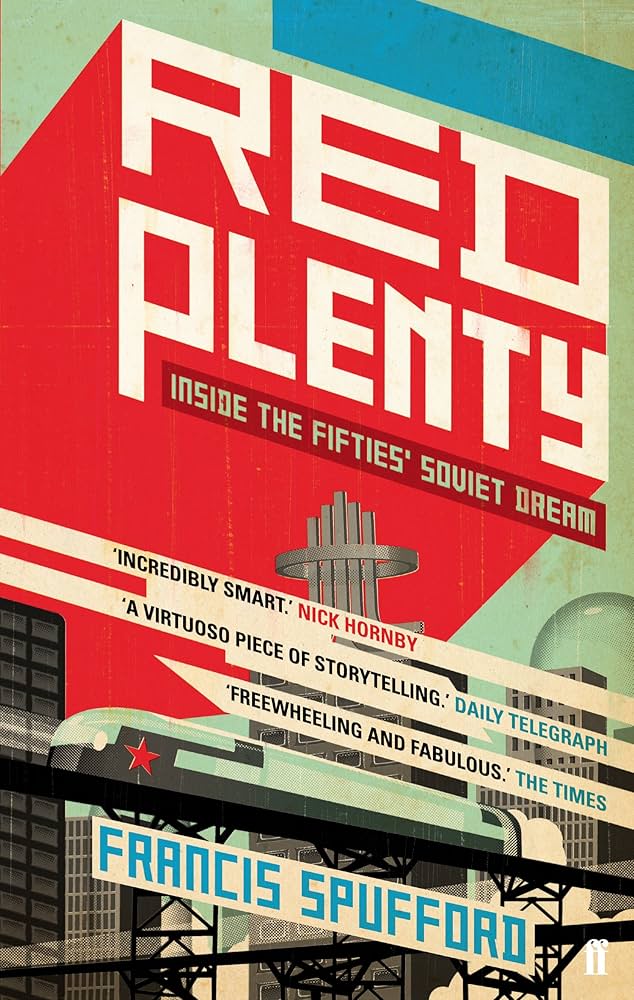
Francis Spufford, Red Plenty

Red Plenty is a sharp and humane explanation of how the mid-century Soviet planned economy actually functioned (and didn’t) … in the form of a collection of short stories. No, I’m not making this up. Yes, it actually works. The book’s kaleidescopic perspective manages to capture both what the Soviet Union’s leaders thought they were doing and how central planning played out in the lives of the people subjected to it. Spufford is a talented historical novelist, but this is historical “fiction” on an entirely different level.